

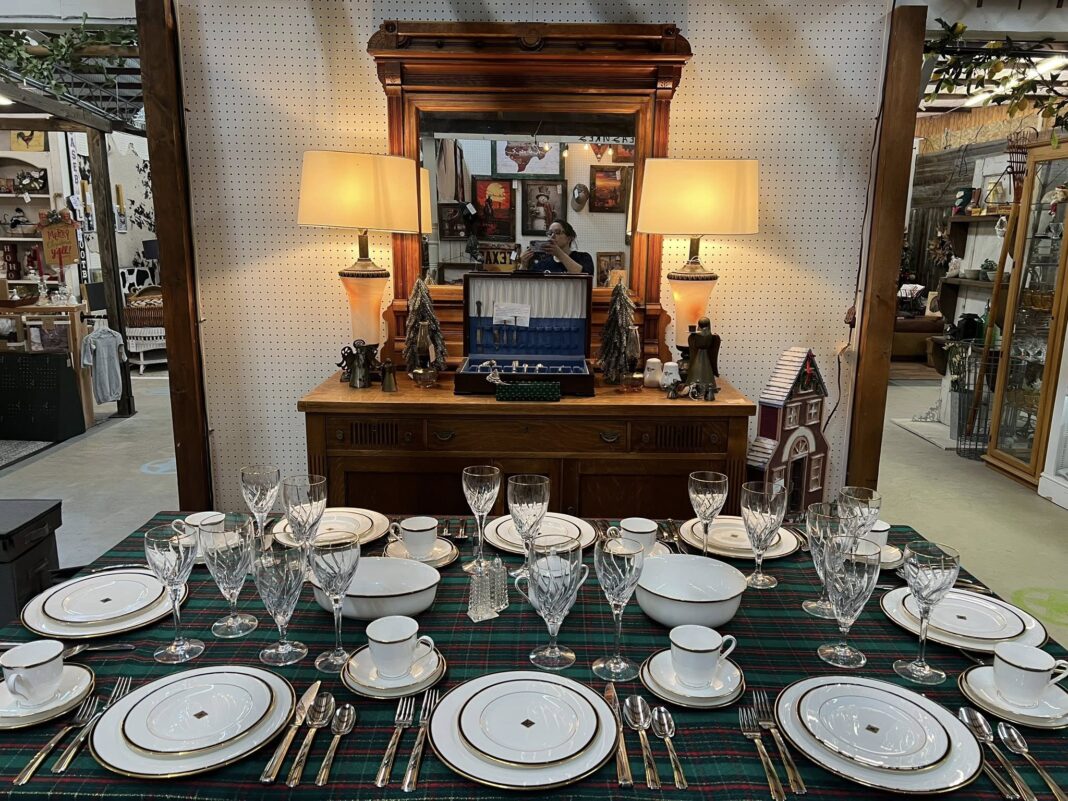

Tableware is more than just plates, bowls or glasses to hold food. It is the silent host of every lunch or grand dinner you serve. Tableware has the power to define the presentation, perception and experience of food. In many countries, food serves community members at a common dining table with tableware playing functional and cultural roles. In this article you understand the different types of tableware then see how they work together so you can build a collection for function, beauty and classic design.
1. Serveware: Where Presentation Meets Functionality

Serveware is dishware for food transport from the kitchen to the dining room (or table). The ergonomics of serveware allows for easy serving of portions of food. In Indian cuisine, with meals often served family-style, serving dishes are essential.
Large biryani handis or curry bowls are at the center of the table and bread baskets for rotis or naan are not just. Conveniences encourage conversation with customers and customers dine.
A. Common Types of Serveware
Serving Bowls:
Ideal additions for dals, gravies, sabzis, salads and desserts. Food stays warm in deep bowls and wide bowls allow sharing by several people.
Platters and Trayes:
It can be used to serve appetizers, kebabs, breads or desserts. Oval platters are also used to serve long foods, such as tikkas or grilled vegetables.
Serving Spoons
They allow for hygienic serving and controlled portioning. Long-handled ladles are needed for deep curry containers.
Tureens:
Tureens have lids that are used for soups, stews and any dish intended to be eaten communally to retain heat.
Gravy Boats:
These are often overlooked, but important for allowing guests to apply gravies or sauces to their portion without disturbing the plated food.
B. Deep Thought:
Serveware should be a little larger than what is normally needed because that prevents food from looking overcrowded and creates a more appealing look.
2. Dinnerware: The Canvas for your Feed
Dinnerware includes plates, bowls, thalis and cups for which food is served and from which food can be eaten. Indian meals generally have several things prepared, so people appreciate versatility.
A. Essential Dinnerware Pieces:
Plates:
Dinner plates, side plates and dessert plates are so-named for their order of use during a meal, where the wide rims help retain gravy-based dishes.
Bowls:
Bowls for separating flavors can be used for serving rice, or katoris for serving various chutneys, or pickles.
Thalis:
Thalis are a customary Indian meal, allowing diners to sample everything on one plate. Compartmentalized thalis help control portions and achieve a balanced meal.
Cups and Saucers:
Tea and coffee cups are often used in social drinking to hold beverages. They are generally designed with heat retention.
B. Deep Thought:
Neutral-toned dinnerware is often used to elevate a colorful plate of Indian food on the table without overwhelming the table setting.
3. Flatware: Small Details that Influence Comfort
Flatware refers to utensils used to eat like spoons, forks, knives, etc. and utensils for serving food like ladles. Flatware is used commonly in modern households. It is also used for international and formal dining.
A. Types of Flatware:
Spoons:
As spoons range from teaspoons to soup spoons, different cultures have found that rounded ends are universally more comfortable.
Forks:
Dinner forks, salad forks and dessert forks are for different courses and textures.
Knives:
Butter knives, table knives and steak knives cut and spread food such as breads and continental cuisine.
Specialized Utensils:
Fish forks, soup spoons and dessert spoons remain relatively rare and specialized, so they allow diners to experience a fine meal with great attention to detail.
B. Deep Thought:
Though often not mentioned, well-balanced flatware reduces hand fatigue during the sustained use of multi-course meals.
4. Drinkware: Enhancing Every Sip
Drinkware is not just a container with which we drink. Drinkware affects taste, temperature or aroma. Drinks sometimes are more than just thirst-quenchers.
The right drinkware from morning chai or coffee to festive sharbat or evening mocktails can upgrade the experience.
A. Types of Drinkware:
Water Glasses:
They should be sturdy and easy to hold for they are often used daily. Tapered designs reduce spillage.
Tea and Coffee Cups:
Mugs are used for everyday drinks and teacups with saucers.
Tumblers and Mugs:
Ideal for lassi, buttermilk or chai, these tumblers also store water due to their natural antimicrobial properties and cooling effect.
Wine and Barware:
Today wine glasses and whiskey tumblers and cocktail accessories can be found in all entertaining homes around the world.
B. Deep Thought:
If you plan to use your ceramic drinkware for hot and cold beverages, get separate cups for each.
5. Tableware Materials: Choosing What Works for you
The material is a major factor, and determines the durability, ease of care and occasion.
Porcelain and Bone China:
Light, elegant and suitable for formal dining because fine quality items nevertheless are surprisingly durable despite their delicacy.
Stoneware:
It has more weight than other metals, does not warp easily and retains heat well, making it suitable for Indian curries.
Ceramic:
It is versatile, widely used and available in infinite designs and colors.
Stainless Steel:
A part of every normal household. It is durable, hygienic and ideal for daily use.
Glass:
Drinkware and serving dishes are often made from glass. Glass is elegant, but fragile.
Copper and Brass:
Old materials reused for health benefits and unique aesthetics are popular.
6. Why Investing in Good Tableware Matters

Considerately coordinated tableware will allow for smooth transitions between everyday meals, family gatherings and special occasions which improve the presentation of a meal and create a sense of an event out of an everyday meal.
Food serves as the centerpiece of hospitality in a typical modern household and good tableware improves meals.
7. How to Choose the Right Tableware for your Home
- Assess your Life Style: Hosting frequently, these pieces have to be stackable.
- Mix With Intention: The interaction between modern and customary elements creates visual appeal.
- Prioritize Maintenance: Dishwasher-safe and chip-resistant, these pieces are readily usable in practice.
- Add Cultural Accents: Thalis, brass bowls or copper tumblers add warmth and heritage to rooms.
- Invest Wisely: High-end brands have greater longevity and more consistent design across collections.
Tableware is not about more; it’s about better and thoughtful components. Because good tableware is an absolute extension of your home, your culture and the way you gather around your food.