


Mediterranean-style interior design around the world is more than just one in a lifetime visual trend, it’s a permanent human lifestyle thoughtfully created and shaped by centuries of coastal living, constant exchange between cultures and an ever-enduring connection to our mother nature and inspired mainly by the sun-soaked regions bordering the Mediterranean Sea, this design style also captures the essence of relaxed sophistication, where simplicity meets warmth and functionality meets beauty.
Whether you dream more of the whitewashed serenity of a Greek island home, the real rustic charm of an Italian villa or the vibrant textures of Spanish coastal interiors, Mediterranean design offers a wide range of versatile frameworks that can be adapted to both traditional and modern homes.
In this guide, we’ll ultimately explore what actually defines Mediterranean interior design, its core key elements, different styling techniques, historical roots and practical ways to bring this timeless blend of aesthetic into your own home.
What Is Mediterranean Interior Design?
Mediterranean interior design is effectively a refined subset of coastal design, rooted specifically in the architectural and cultural traditions of particular countries surrounding the Mediterranean Sea. While Greece, Italy and Spain are the most commonly referenced influences, the style also draws from regions such as southern France, Morocco and parts of the Middle East.
At its core, this design philosophy emphasizes:
- A seamless connection between indoor and outdoor spaces
- The use of natural, locally sourced materials
- A balance between rustic charm and understated elegance
- A lifestyle centered around comfort, hospitality and slow living
Unlike generic coastal interiors, Mediterranean spaces feel more grounded and textured, with a deeper historical narrative woven into every element.
Key Elements of Mediterranean-Style Interiors
1. Indoor-Outdoor Living as a Foundation
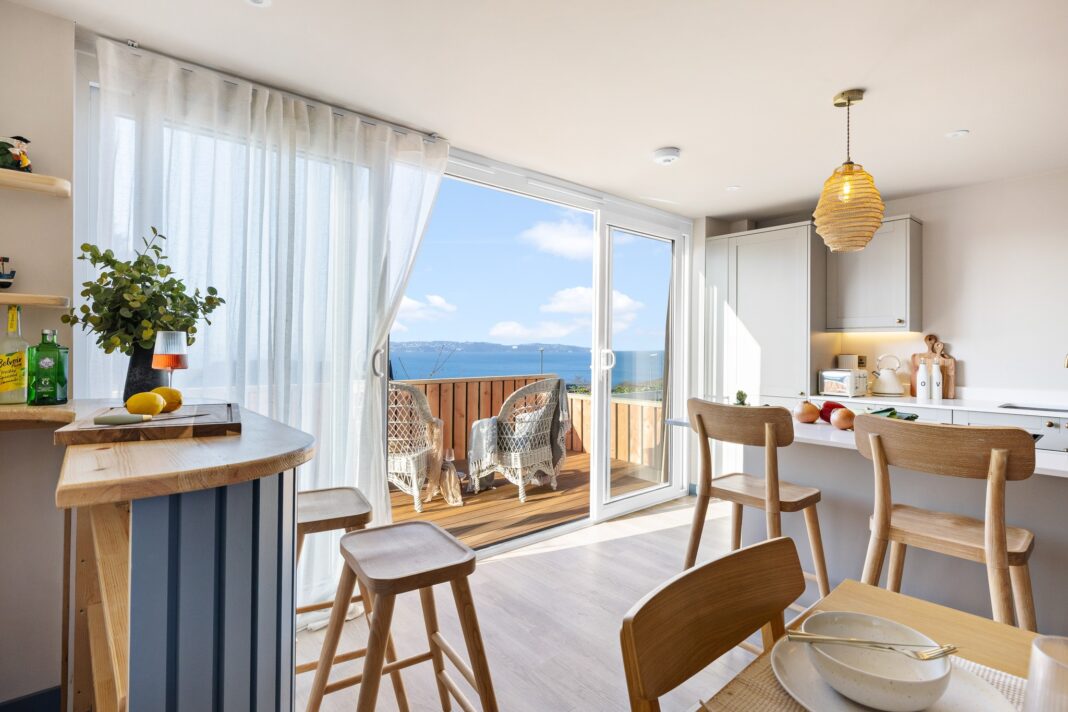
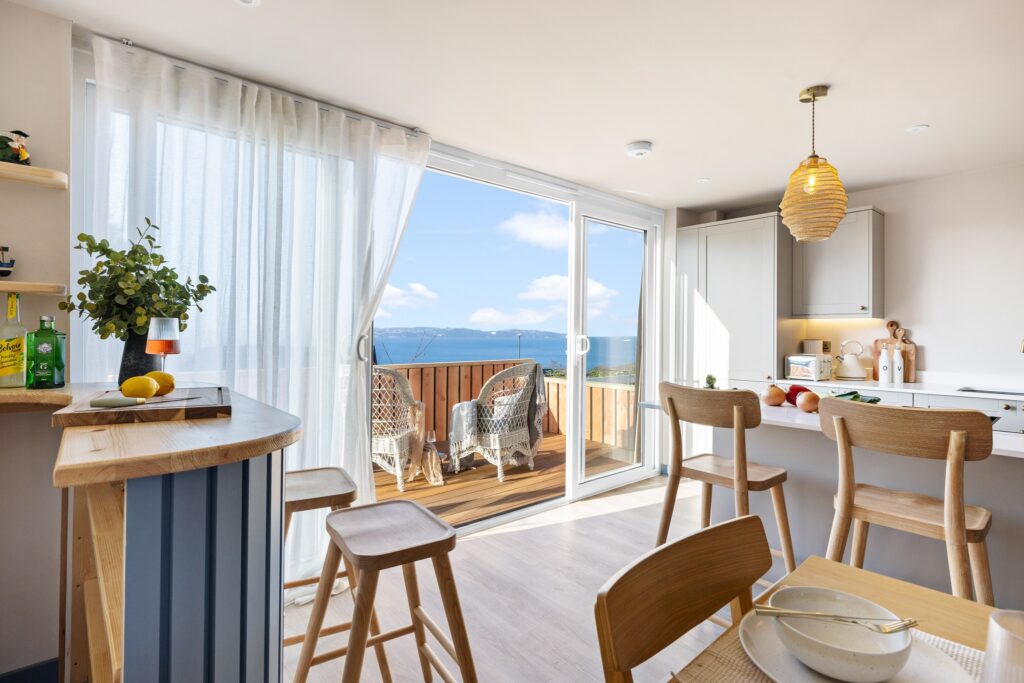
One of the defining characteristics of Mediterranean design is its fluid transition between interior and exterior spaces. Homes are designed to embrace natural light, fresh air and scenic views.
Comparatively Large windows, open terraces and romantic French doors are not just architectural features, they are really essential to creating a breezy, expansive atmosphere. Even in some urban homes, this effect can be efficiently replicated with thoughtful layout planning and strategic lighting.
Deep Insight: Consider doing position seating areas near windows or balconies to finely mimic the feeling of outdoor extension, even in many of the compact spaces.
2. Natural Materials That Age Beautifully
Mediterranean interiors successfully celebrate authenticity through materials that evolve further over time because rather than having just polished perfection, the style mainly embraces texture, patina and subtle imperfections.
Some common materials are stated below:
- Stone (limestone, travertine)
- Wood (often unfinished or lightly treated)
- Terracotta and clay
- Wrought iron
- Linen and cotton textiles
These materials not only enhance visual warmth but also improve durability in warm climates.
Deep Insight: Mixing “rough” and “refined” finishes, like pairing raw stone walls with smooth plaster that creates depth and prevents the space from feeling flat.
3. Architectural Details That Define the Style
Mediterranean design is deeply architectural. Even simple spaces feel elevated through structural elements such as:
- Arched doorways and windows
- Exposed wooden ceiling beams
- Stucco or plaster walls
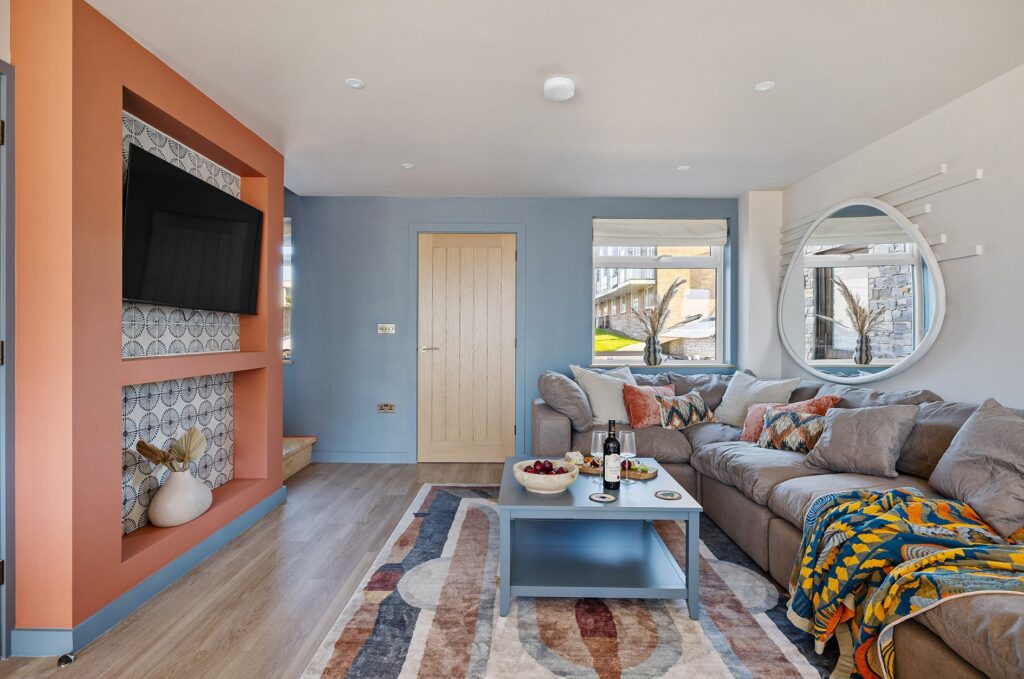
- Built-in niches and shelving
These features add character and help newer homes achieve an “aged” and lived-in appearance.
4. A Nature-Inspired Color Palette
The Mediterranean palette is directly influenced by its surroundings like sea, sky, earth and sun.
Some of the typical base tones, for your convenience, are stated below:
- Soft whites and creams
- Warm beiges and sandy neutrals
- Earthy browns and clay tones
Accent colors often reflect:
- Ocean blues and seafoam greens
- Sun-baked terracotta and ochre
- Muted yellows and dusty pinks
Deep Insight: Instead of bold contrasts, Mediterranean interiors rely on tonal layering like subtle variations within the same color family, to create harmony.
5. Minimalism with Purpose
While Mediterranean interiors may appear minimal, they are far from empty and you have to understand that every object in the world serves a purpose: either functional or emotional.
Spaces are designed for gathering, usually with what stated below:
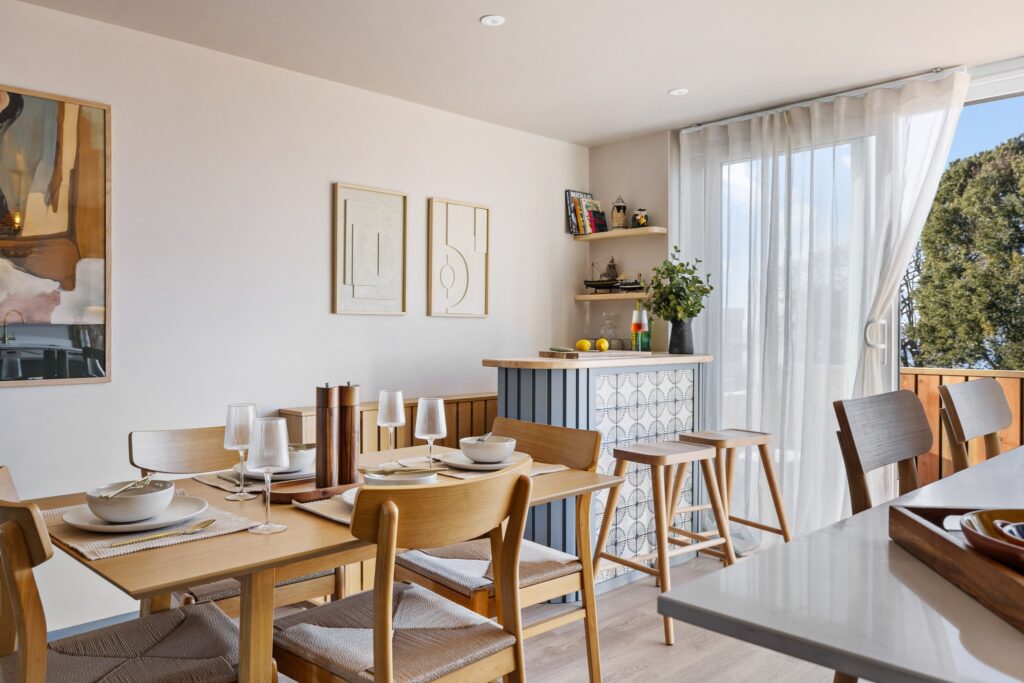
- Large dining tables
- Comfortable seating arrangements
- Open kitchens that encourage interaction
Decor is curated rather than excessive, focusing on craftsmanship over quantity.
Styling Tips for a Mediterranean-Inspired Home
A. Walls: Texture Over Perfection
Opt for matte finishes, limewash or textured plaster to create depth because imperfections everywhere are not just flaws; they are part of the charm and in this case, for that, you should:
- Stick to white or cream tones for a clean base
- Consider subtle variations in tone for visual interest
- Highlight structural elements like beams or alcoves
B. Flooring: Keep It Cohesive
Mediterranean homes often feature continuous flooring to enhance spatial flow.
Some best choices are stated below:
- Wide plank wooden floors
- Natural stone tiles
- Terracotta or mosaic tiles
Layer with flat-weave rugs in neutral tones for softness.
Deep Insight: Avoid overly glossy finishes such as matte or slightly worn textures that feel more authentic.
C. Furniture: Low, Rustic and Inviting
Furniture in Mediterranean interiors is typically grounded and comfortable to the best of one’s feeling, rather than being just overly formal.
Look for what stated below:
- Solid wood pieces with simple carvings
- Wrought iron details
- Upholstery in linen or cotton
To enhance comfort, you should layer with comparatively better build cushions.
D. Decor: Functional Beauty
Mediterranean décor successfully blurs the fair line between utility and aesthetics.
Consider incorporating the points highlighted below:
- Ceramic bowls and pottery
- Woven baskets
- Glassware displayed on open shelves
- Wooden trays and serving pieces
Deep Insight: Use decor that tells a story like handcrafted or vintage items add authenticity.
E. Greenery: Bringing Life Indoors
The presence of indoor plants plays especially a subtle but important role in Mediterranean interiors.
Some popular choices, for your easy access are included below:
- Olive trees
- Citrus plants
- Herbs like rosemary and thyme
If live plants aren’t practical, dried branches or simple arrangements can achieve a similar effect.
F. Windows and Light: Soft and Natural
Natural light is honestly one of the essentials that a home truly needs:
- Use sheer curtains or leave windows bare
- Avoid heavy drapery
- Incorporate mirrors to reflect light
Lighting should feel warm and diffused, mimicking sunlight.
The Evolution of Mediterranean Design
Mediterranean design has eventually evolved over centuries and are mainly shaped by trade, migration and cultural exchange. From the ornate influences of the Italian Renaissance to the earthy textures of Spanish and Moroccan architecture, the style is inherently diverse.
In the 20th century or our modern days, Mediterranean Revival architecture gained much popularity, particularly in warm regions like California and Florida. Today, the style continues to evolve successfully, blending the essence of traditional elements with modern minimalism in every way possible.
Modern Mediterranean: A Contemporary Take
Modern Mediterranean design effectively merges the vibes of traditional warmth with contemporary simplicity very well and some core characteristics are stated below:
- Brighter, more neutral color palettes
- Cleaner lines and less ornamentation
- Larger windows and open layouts
- Integration of modern materials like concrete and glass
This updated approach retains the soul of Mediterranean design while adapting it for modern living.
Deep Insight: The ultimate success of modern Mediterranean interiors lies solely in restraint, for instance, by keeping the essence while removing excess.
Why Mediterranean Design Continues to Inspire
Mediterranean interiors around the world resonate well with preferences because they offer something deeper than mere aesthetics, they create more profound feelings, which are stated below:
- A sense of calm and escape
- A connection to nature
- Spaces designed for human interaction
- A balance between beauty and practicality
In a fast-paced world, this design style invites you to slow down, gather and truly experience your home.
How to Bring Mediterranean Style into Your Home
If you want to recreate this look in your lovely home to make it feel something more, start with the basics, which are the following:
- Build a neutral, earthy foundation
- Introduce natural materials wherever possible
- Add architectural curves and soft shapes
- Focus on light, openness, and flow
- Choose decor that is meaningful and functional
Remember, Mediterranean design is not about perfection, it’s about creating a space that feels lived-in, welcoming, and timeless.
Thoughts to Conclude
Mediterranean interior design is not just about replicating a look that may spark some minds, it’s about embracing a way of cultural living that values simplicity, hearty connection and authentic beauty in everyday moments, for your years to come.
When done right, your home won’t just resemble a Mediterranean retreat, it will feel like one.