

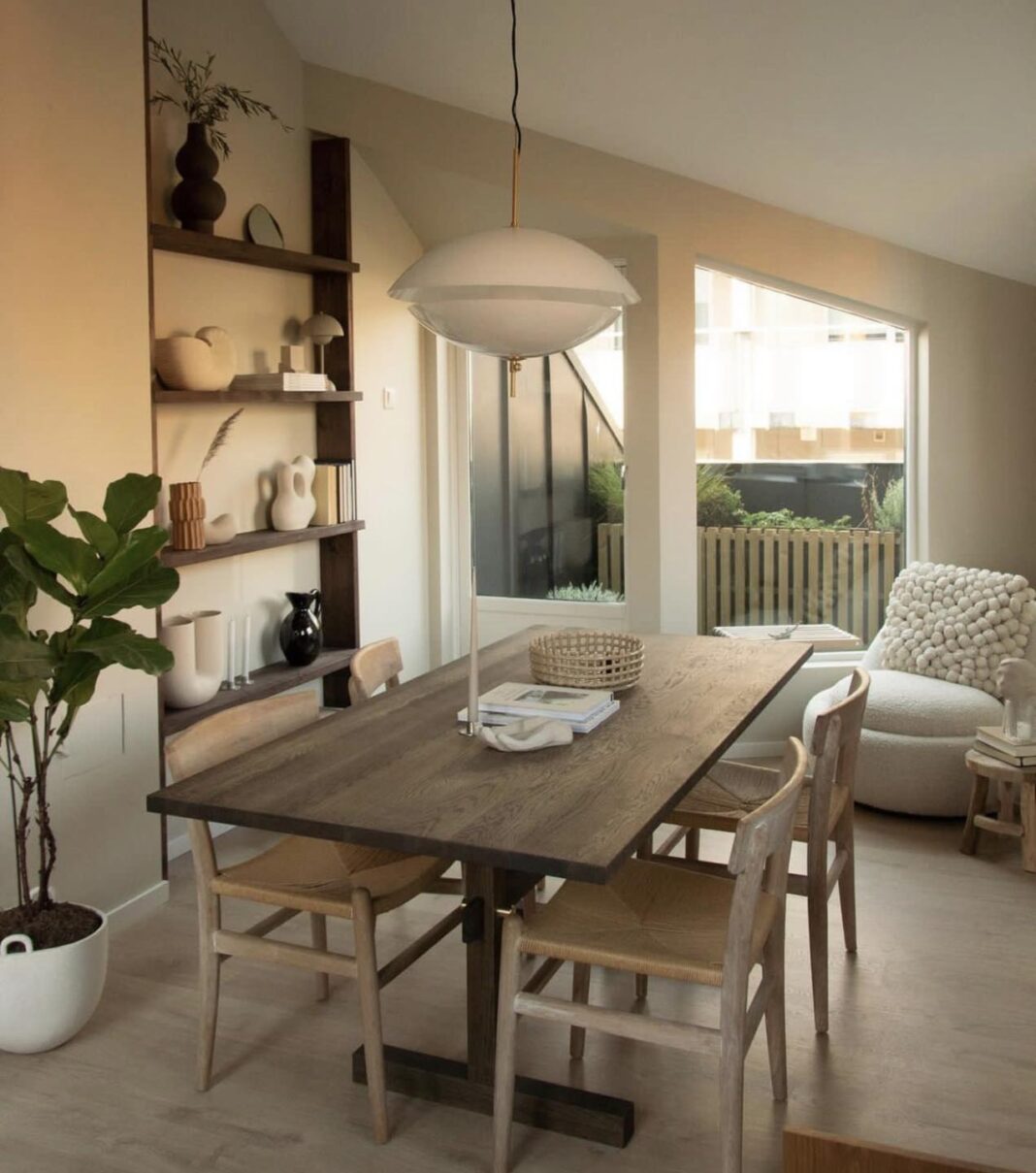

Scandinavian interior design is more than just an absolute visual style because it’s a philosophy rooted mainly in simplicity, functionality and has a deeper connection to nature. Emerging successfully from Northern Europe in the years of early 20th century, this design movement has undeniably evolved into one of the most enduring and globally well admired interior styles.
Defined by its usual but noticeable clean lines, soft neutral palettes, natural materials and a strict emphasis on comfort, Scandinavian design ultimately creates spaces that feel inner calm, heavily practical and effortlessly beautiful. In a world increasingly filled with noise and clutter, this aesthetic offers something rare: clarity.
What Is Scandinavian Interior Design?
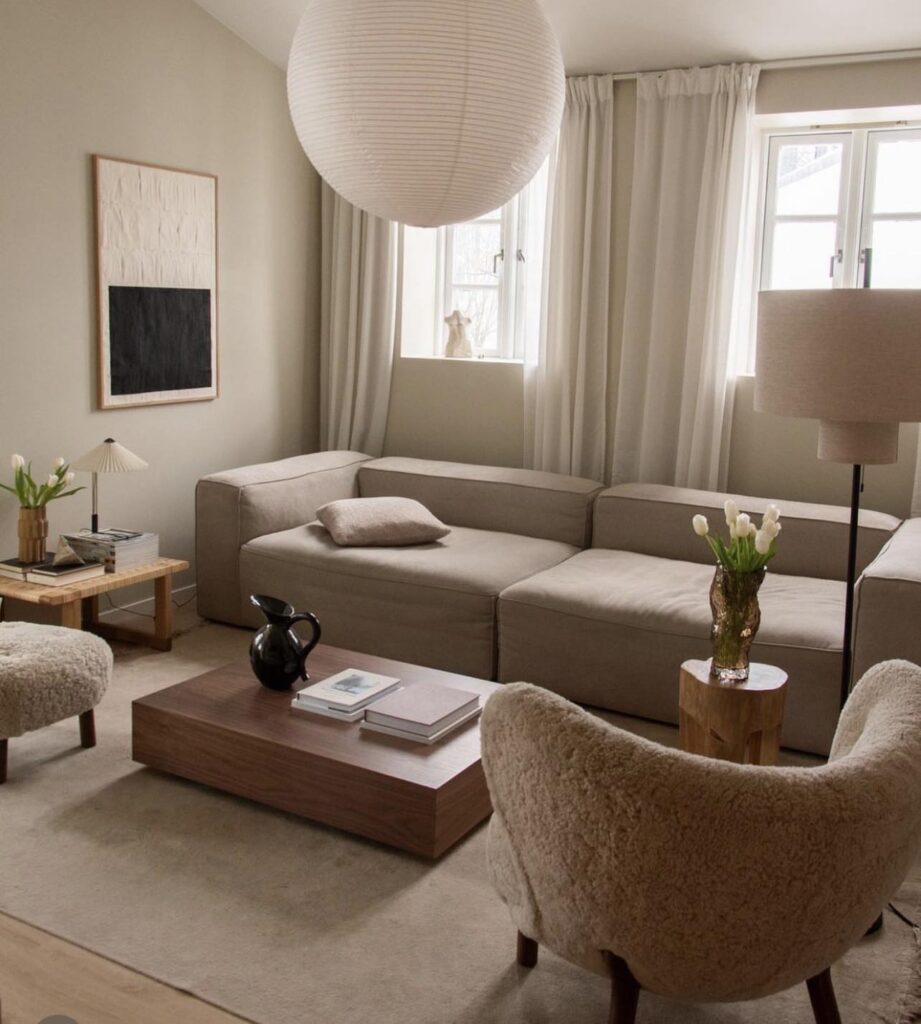
At its core, Scandinavian interior design blends minimalism with warmth. Unlike stark minimalism, which can sometimes feel cold or impersonal, Scandinavian spaces are intentionally designed to feel inviting and lived-in.
Think of it as a home that quietly supports your life rather than competing for attention.
Key principles include:
- Function-first design (everything serves a purpose)
- Light-filled, airy interiors
- A restrained, nature-inspired color palette
- Thoughtful use of textures for warmth
This design approach developed in response to the long, dark winters of Northern Europe. Homes needed to feel bright, uplifting and comfortable qualities that remain central to the style today.
Core Elements of Scandinavian Interior Design
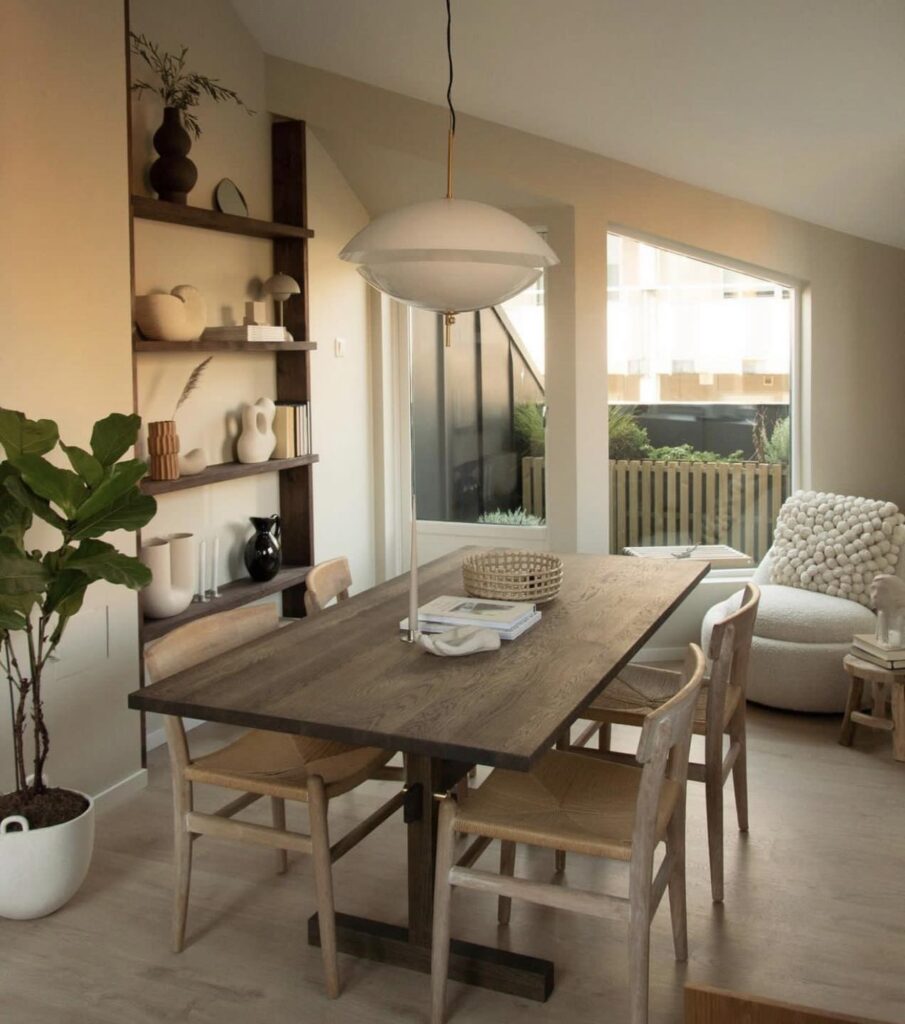
1. Natural Materials and Textures
Nature is at the heart of Scandinavian design and materials are particularly chosen not just for its mere shining aesthetics that pleases the eyes of the observer, but always for their out of the world authenticity and comparatively high durability; Some common materials include:
- Light-toned woods like oak, ash and pine
- Stone and ceramic accents
- Linen, wool, and cotton textiles
- Leather and subtle metal finishes
Deep Insight: Scandinavian interiors often prioritize unfinished or minimally treated materials. This allows the very surfaces to age gracefully, creating a lived-in thoughtful character over time rather than a polished, artificial look.
2. Neutral Colors and Light Maximization
Because daylight is heavily limited during the times of Nordic winters, Scandinavian homes are deeply designed to amplify every bit of natural light that is available.
Some typical palettes are stated below:
- Crisp whites and off-whites
- Soft greys and warm beiges
- Muted pastels and earthy tones as accents
Walls are often kept light, while floors are either pale wood or painted white to reflect light.
Deep Insight: Instead of relying solely on traditional overhead lighting, Scandinavian interiors layer multiple light sources successfully like floor lamps, wall sconces and candles to create a soft, ambient glow in every part of the space.
3. Clean Lines and Functional Furniture
Some furniture in Scandinavian design is mainly characterized by what stated below:
- Sleek silhouettes
- Minimal ornamentation
- Ergonomic functionality
This style shares similarities with mid-century modern design, particularly in its emphasis on simplicity and craftsmanship. However, Scandinavian interiors always tend to feel lighter and more relaxed.
Deep Insight: Many iconic Scandinavian furniture pieces are designed with modularity in mind, allowing them to adapt to changing living needs, especially in smaller urban homes.
4. Bringing Nature Indoors
Scandinavian interiors blur the line between indoors and outdoors.
Ways this is achieved:
- Incorporating indoor plants
- Using organic shapes and textures
- Maximizing window views
- Choosing nature-inspired decor
Plants are not just decorative; they introduce life and subtle color into otherwise neutral spaces.
Deep Insight: Keep in mind that even a single well-placed indoor plant (like a fiddle leaf fig or rubber plant) can positively transform a minimalist room without completely disrupting its simplicity.
5. Warmth Through Textiles (The “Hygge” Effect)
While Scandinavian design is still minimal, it never feels cold because warmth is introduced through textiles and layering.
Some common elements are stated below:
- Wool throws and blankets
- Sheepskin rugs
- Linen cushions
- Layered area rugs
This aligns with the Danish concept of hygge, usually a feeling of coziness, comfort and contentment.
Deep Insight: Texture mindfully replaces decoration and instead of merely filling a room with dead weight objects, Scandinavian design strategically uses tactile materials to create emotional warmth.
6. Smart Storage as Design
Clutter is the enemy of Scandinavian design but storage doesn’t have to be hidden.
Some functional storage solutions include what stated below:
- Open shelving
- Woven baskets
- Minimalist cabinetry
- Multi-purpose furniture
These elements double as decor, maintaining both beauty and practicality.
Scandinavian vs Nordic Design: What’s the Difference?
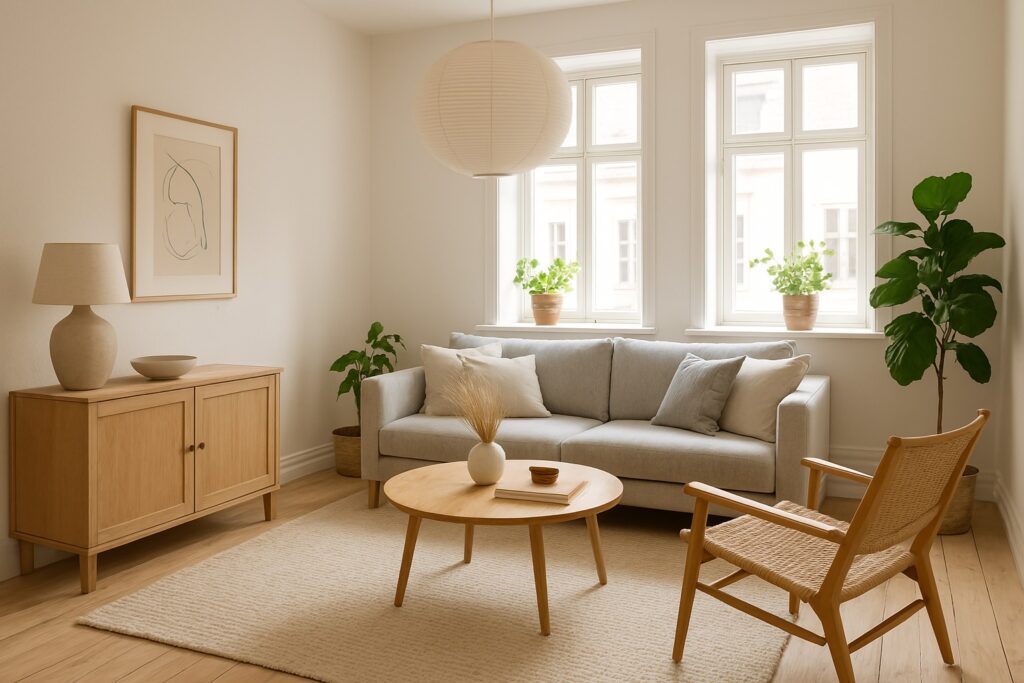
Although often used interchangeably in most of the situations, there is a subtle distinction, which are stated below:
- Scandinavian Design originates from Norway, Sweden and Denmark
- Nordic Design includes those countries plus Finland and Iceland, along with associated territories
In practice, both share core principles:
- Simplicity
- Sustainability
- Functionality
- Connection to nature
The differences are more cultural than visual. Some examples are stated below:
- Swedish interiors often favor lighter woods
- Danish design leans slightly more experimental
- Finnish design incorporates bold forms and contrasts
The History Behind the Style
Scandinavian design began gaining recognition in the 1930s and reached global prominence in the 1950s. Some influential designers, namely Alvar Aalto and Arne Jacobsen helped shape its core identity, focusing mainly on best human-centered designs & authentic and genuine craftsmanship.
A major turning point in the course of Scandinavian design came with international exhibitions that positively introduced the world to clear Nordic design principles such as highlighting furniture, strategic lighting and homeware that combined beauty with everyday practicality.
Deep Insight: The rise of Scandinavian design was deeply tied to the idea of democratic design style because of the belief that well-designed products should be accessible to each and everyone, not just the elites around the world.
Why Scandinavian Design Is So Popular Today
Scandinavian design continues to dominate modern interiors for several reasons, which are stated below:
1. Versatility
It blends seamlessly with other styles that are modern, industrial, rustic or even traditional.
2. Sustainability
With a focus more on longevity and natural materials, it aligns perfectly with one’s eco-conscious living.
3. Mental Well-being
Decluttered, light-filled spaces have been shown to reduce stress and improve focus.
4. Timeless Appeal
Unlike trend-driven aesthetics, Scandinavian design evolves without losing its core identity.
Practical Scandinavian Decorating Tips
If you want to bring this style into your home, start small and intentional:
- Choose quality over quantity
- Stick to a neutral base palette
- Add texture instead of clutter
- Let in as much natural light as possible
- Invest in functional, well-crafted furniture
- Incorporate greenery for balance
Deep Insight: Follow the Swedish concept of lagom which means, not too much, not too little. This balance is ultimately and always what gives Scandinavian interiors their effortless visual harmony that hits deeper.
Conclusive Thoughts
Scandinavian interior design is not just about perfection but it’s about the intention in one’s mind.
It’s about creating a home where:
- Every object has meaning
- Every space has purpose
- And every corner invites you to slow down
In a fast-moving world, this design philosophy offers something quietly powerful: a sense of calm, clarity, and connection.
And that’s exactly why Scandinavian design isn’t just a temporary trend, it’s more of a way of living with what’s there to uplift us and our surroundings.