

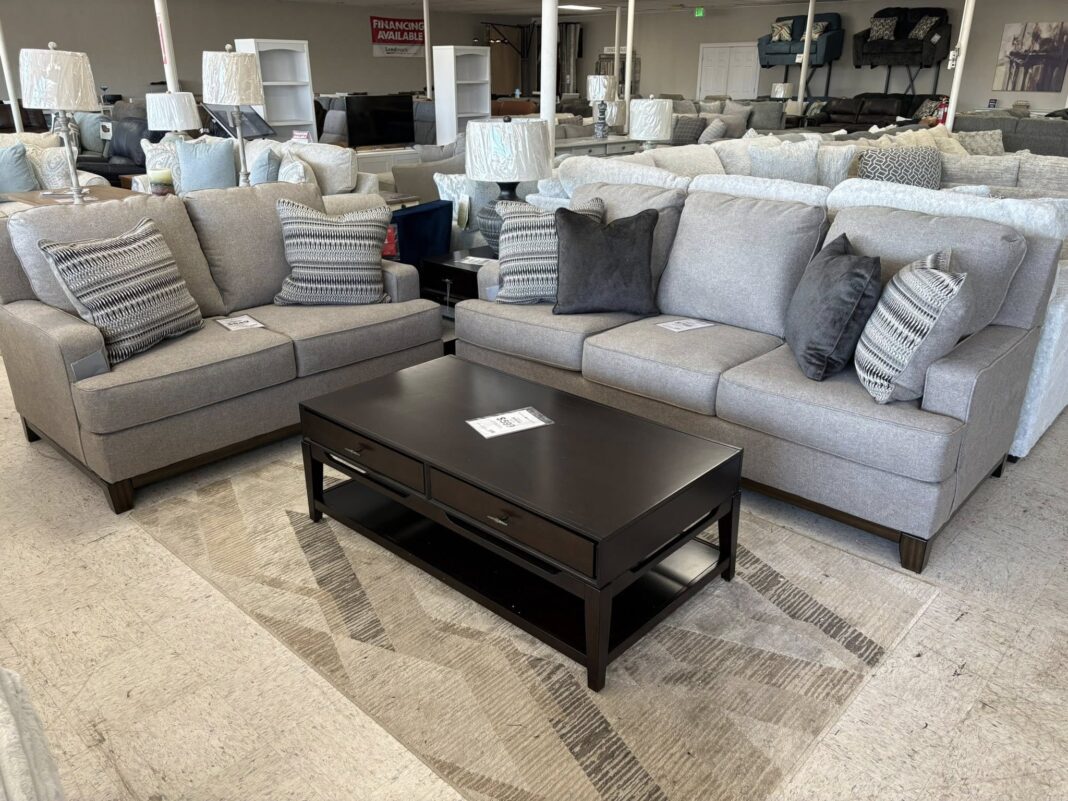

Every house tells a story and it’s the furniture that tells that story. The couch for movies at three in the morning, the bed for laughs among friends and sleep, the side table that always catches your leg after a night out. Furniture carries with it a special value, meaning, in addition to becoming a part of your story. Choosing furniture for your home is an exciting experience and one that marks fresh beginnings, favorable changes and promises of comfort along with style.
Furniture greatly rewards and overwhelms all at once, while investing in it matters, people often choose pieces for comfort, durability, function and individual style. Do not pick furniture only for its appearance. Finding the right piece means knowing your lifestyle too. Before you spend any money, stop and think about how well those pieces will serve you over the years. This is a handbook of furniture advice; from the basics you need to know to the esoteric tidbits you didn’t know you needed.
Take your Time: Furniture is not an Impulse Buy

Buying furniture is a fast-paced activity, particularly when doing it with family and friends. It can be frustrating when everyone has different ideas or you buy something you do not want or buy too much.
Slow down.
Spend time sitting inside every room in your house each day. Understand the feeling at various times of day. See where sunlight enters your house. Where does it feel right to move? Where do corners seem forgotten? Minimalism involves intention. Fewer, better items might build more harmony than occupying each square inch of a room.
I know that it helps to talk to other people about a choice, but the best advice is to feel happy and comfortable about your choice. Furniture lives with you.
Design with the Room, Not Against it
It’s easy to be inspired by the interiors of films, luxury hotels and the latest Instagram posts but translating these into a home setting can feel a little forced at times.
Each has its own dimensions, height, natural light, layout, etc. and furniture should not fight these but complement these. A clumsy piece of furniture that is out of place can throw off the room’s proportions, for example a sofa in a small room or an ornate bed in a minimalist bedroom.
Don’t copy design, adapt. You should feel inspiration. Let the architecture and scale of your home guide you.
Understand the Function Before the Form
Consider the desired function of the furniture before considering colour, material or design. The successful space will allow the inhabitants to sleep, work, play and socialize in an efficient and comfortable way. A beautiful coffee table around which people must walk or a beautiful chair in which sitting is uncomfortable has failed its purpose.
The basis is function and on top of it should be beauty.
Make a Room-by-Room Furniture Plan
Every piece of your home serves a purpose. Start jotting down essential furniture for each room, determining which pieces make sense based on usage. This cuts impulse buys and this helps one remain focused.
Keep an open mind, the furniture stores may suggest, ideas you had not considered before
- Nesting tables.
- Storage ottomans.
- Fold-up desks or
- Sectional/Modular seating.
However, the key thing is to keep it proportional. A beautiful thing will not work if it does not fit the square footage inside a home, no matter what. Big furniture makes a room seem crowded but small furniture looks insignificant.
Prioritize Personal Needs and Daily Habits
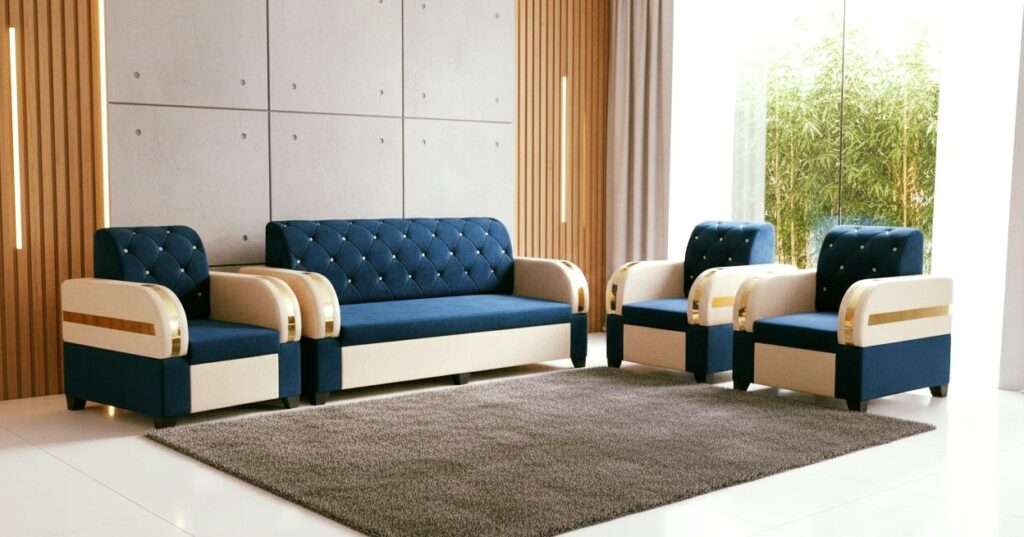
Furniture should reflect the people who inhabit the space.
- An individual needs a small bed and desk.
- Children need a bunk bed or a foldaway bed/dining table.
- Students need an ergonomic desk.
- A family needs a good couch and entertainment space.
These are standard requirements.
Think about whether your needs are likely to change from now onward. Does your furniture remain useful if your lifestyle or needs change? Furniture that is modular or multifunctional is a wise long-term investment for people.
Account for Complementary Pieces
Furniture rarely acts alone (dining tables need chairs; a bed requires side tables toward it). A reading chair needs a floor lamp.
When a budget goes to big furniture pieces, funds to purchase decor items that complement the furniture might disappear. Budget regarding spending on decor items to avoid overspending.
Measure Everything- Then Measure Again
Furniture shoppers often select an incorrect size.
Not just the room’s measurements. Measure doorways, stairs, lifts and corridors for width. Allow for walking about and opening drawers and recliners. Not everything that fits on the page will feel comfortable in real life.
Also consider vertical space. Tall furniture can add storage, yet it may overwhelm rooms under low ceilings. Balance horizontal and vertical components for achievement of perceived stability.
Built-in Furniture: A Smart Long-Term Investment
Custom built-ins are expensive yet can act as good wardrobes, kitchen units, storage benches and shelves. Built-in furniture is well suited for Indian homes where space is a premium.
If you budget, built-ins store items greatly because you want to access them with regularity and that give a cohesive look throughout your home.
Look for Inspiration Everywhere
Look beyond home decor websites toward discovery of cafes, boutique hotels, libraries or nature. Notice textures, layouts and colors that catch your eye. Get ideas but stay realistic. Camera appeal may not translate to practical application.
Experiment with Style- but Stay Grounded
You can mix styles, textures or materials like using vintage near modern styles or giving a minimalist feel a rustic touch.
However, anchor experimentation with such a unifying element, such as colour palette or tone of material, to maintain visual consistency. Design should be fun and design from chaos should not be.
Choose Materials that Match Usage
Material choice involves more than aesthetics wood metal marble upholstery and composite materials all age in a different way when used.
Consider factors such as durability, maintenance, climate and daily wear. A fabric sofa feels soft and luxurious but it may not work if you have pets. Marble floor can be attractive but it can wear poorly in high traffic.
Blends are a good compromise of aesthetic and performance qualities.
Align Furniture Style with your Lifestyle
The furniture is always about how we live beyond how we want our home.
Bright colors and patterns suit creative spaces in contrast with neutrals, which suit calming spaces. Unifying the style inside of your home may create clearer visual flow and give your home a more curated feel than if each space were assembled in isolation.
Understand Fabric and Material Pricing
The choice of materials used for sofas and chairs is particularly important, as some wear out or become old-looking more quickly.
Spend more of your money on the things you use every day, less of your money on those you use occasionally. Put savings in locations that do not require large sacrifices.
Always Test Before Buying
Sit, lie down, lean back, open drawers. Comfort cannot be judged visually and think about how you will use the furniture when considering support. Similarly, have you ever felt the desire for rest? It will not feel right at home if it does not feel right in the store.
Know the Return and Exchange Policies
A purchase, though researched, may not meet expectations, even when in the perfect spot. So, compare the return, exchange and warranty policies. Consider establishing a safety net for your investment.
Thoughts to Conclude
Not every beautiful piece should go into your home. Select furniture to fit the space, the lifestyle and the way to live, not only current loves. Balance feeling with reason, durability with beauty and find inspiration in comfort. Furniture is not just for sitting. It helps people experience life and story, and then becomes part of a person’s story in time. With these elements fixed within your mind, you can create a home that is cohesive, comfortable and uniquely your own.