

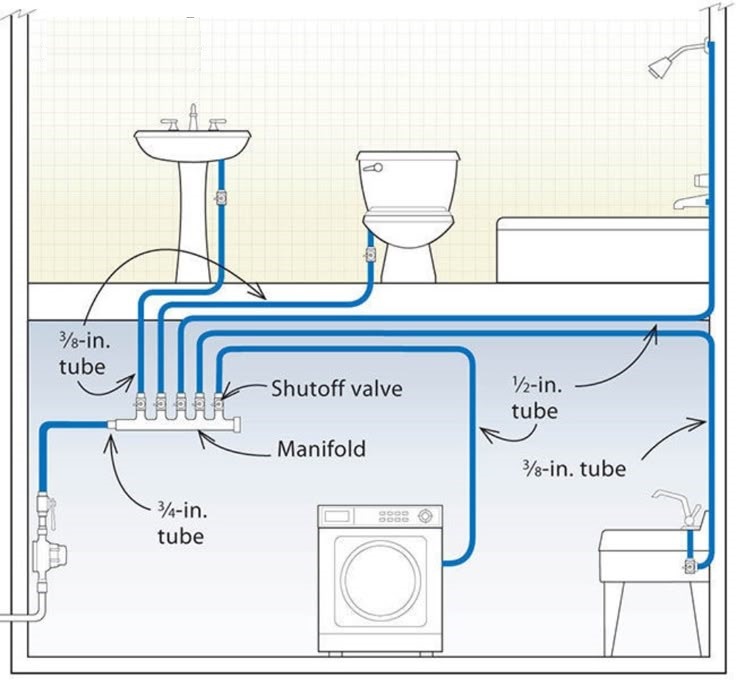

Imagine you have a water leak at home and you don’t know where your shut-off valve is and that’s when, my mate, you are truly screwed (I feel sad about saying it, but we have to spread the word or awareness anyway, right). And this will be your go to place when such scenarios happen in your place or if you happen to see this blog and you were searching for it, you are already ahead of the game. Happy reading everyone 😊
1. Gate Valves
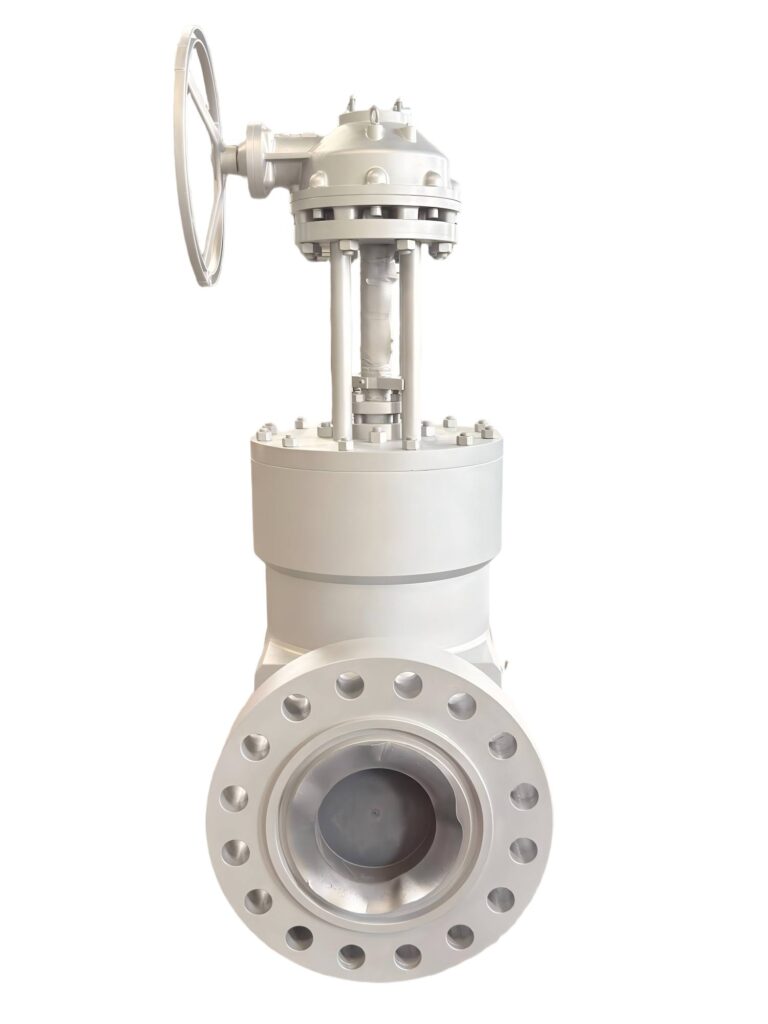
- Explanation: The most common valve for water supply systems and it has the function to stop or allow the water flow because it represents a linear-motion isolation valve. The name comes from the closure element sliding into the flow stream for providing shut off, and the system acting like a gate, hence the name mentioned above. During maintenance, repair works and new installations, the gate valves are used to isolate specific areas of the water supply network as well as to reroute water flow throughout the pipeline.
- The design is simple and can be used in many low pressure-drop services and that made the valve so popular as we see today. They function as full-port valves, that is, as the inner diameter of the connecting pipe, the valve port should be of the same size.
- But in another case, without any obstruction to the flow, the full-bore gate valve passes the fluid flow smoothly and that will not cause a pressure drop in a pipeline and that allows the easy cleaning of the pipe with a cleaning pig.
- A resilient seated gate valve with a non-rising spindle consists of the parts like, wedge, ductile iron valve body, seating area, stem (spindle), spindle bearing, bonnet, packing etc.
- The largest element of the gate valve is the body and the spindle remains wherever it is during rotation, which allows an economical bonnet construction. Because the valve bonnet itself is joined to the body with bolts, which allows cleaning and maintenance so easy. And when the gate valve closes, the main element wedge travels down until it presses the valve seat and that results in complete shut-off.
- For the past 100 years, there’s not much alteration in the design of wedge gate valve constructions but some elements had gone alterations though, minor ones. And the aims for that are increasing service life of the gate valve, using superior quality materials and epoxy coatings for a better corrosion protection, and improving sealing characteristics. Another advantage is the compact sleek design of modern gate valve body, which makes the set up can be installed even in limited spaces.
2. Ball Valves
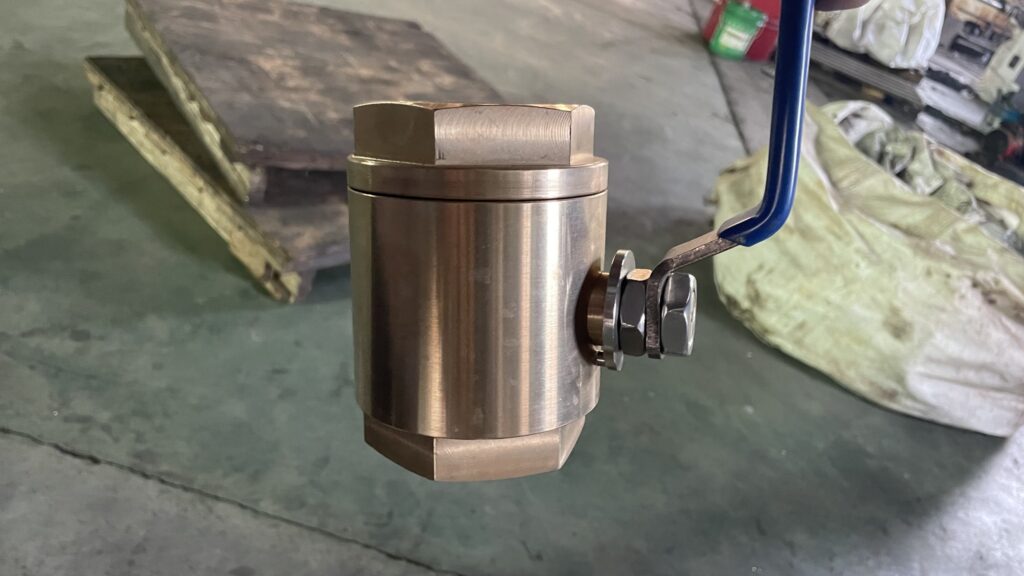
- These are rotary motion actuated valves and due to their simple design, low manufacturing and maintenance requirements, these valves have found widespread applications around the world. They can be used in low to very high flow rate systems and are ideally suited for open/close cycling. In order to completely close or open the valve, ball valves are classified as fast acting because only a quarter turn (90-degree) of the valve disc is necessary for a complete operation of the valve action. Ball valves are the most common types among the valves and other types are butterfly, gate, globe and plug valves.
- They consist of a series of elements like ball, body, packing, stem, bonnet, actuator and seat. The possibility of mounting a planetary gearbox between the actuator and stem is high, which results in it becoming easier to change the position of the large ball valve without applying a significant amount of torque in the body.
- The seat of the valve is produced or manufactured from materials that offer similar properties of rubber and some material examples are Teflon, Nylon, Neoprene etc. These non-metallic materials are used in the process of seat manufacturing to avoid the ball valve being used in high temperature systems and for the overall protection of the set-up.
- The packing or O-rings are used to seal the gap between the bonnet and stem but a simple square shaped key is usually used to connect the stem to the ball of the valve. The advantage of square shape is it allows a higher level of torque to be applied while minimizing the possibility of shaping or rounding the edges.
- For the piping can probably be easily connected, the flanges are installed on the suction and discharge side of the ball valve and that offers a smooth flow of fluid through them as well.
3. Fixture Shut-Off Valves
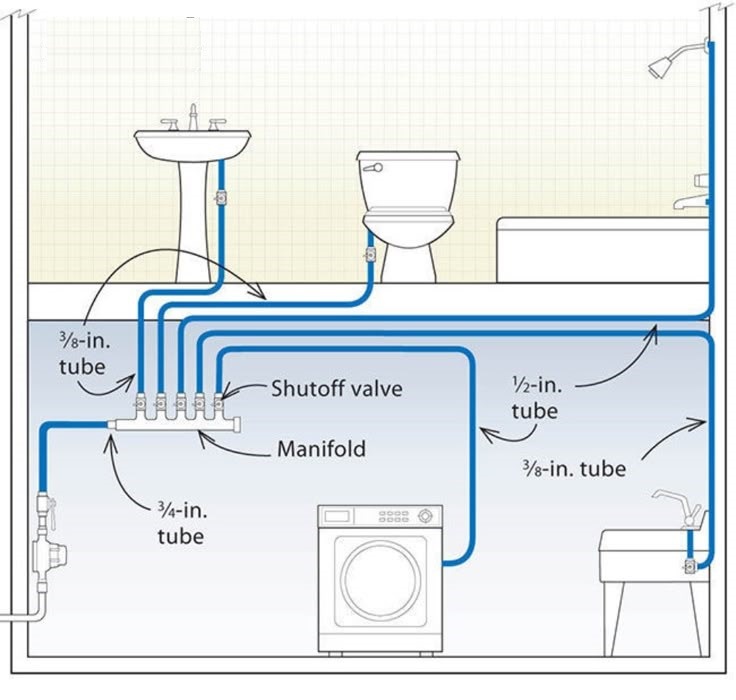
- These are comparatively small valves that are used to cut the supply of water to a specific fixture and it will be attached to the main supply with which the water flows to that particular fixture.
- The design of the valve can be straight or angled, depending on the path of that pipe alone. The water flow through that small system can be controlled by a simple handle or knob on top, that you probably operate by twisting and that will result in turning on or off the shut-off valve or to adjust it well to get your desired water flow rate.
- The main purpose of these valves is to take control of the water flow when the fixture needs to be replaced or for doing regular maintenance works as well. And this fine advantage of these valves allows us to do our plumbing work without needing to shut the water off of the entire house. Think long term and use maximum of these valves at your place 😉
- The water leaks of a home happen mostly through the fixtures that may be used in the particular building and installing these valves helps us repair leaks or damaged fixtures at ease without interrupting the whole water supply.
- These valves are also helpful if you are renting out your top or bottom floors, the plumbing professionals can easily repair the damage without causing any trouble to others at the building and if you think about it, it’s an awesome plus if you are the owner of that building.