

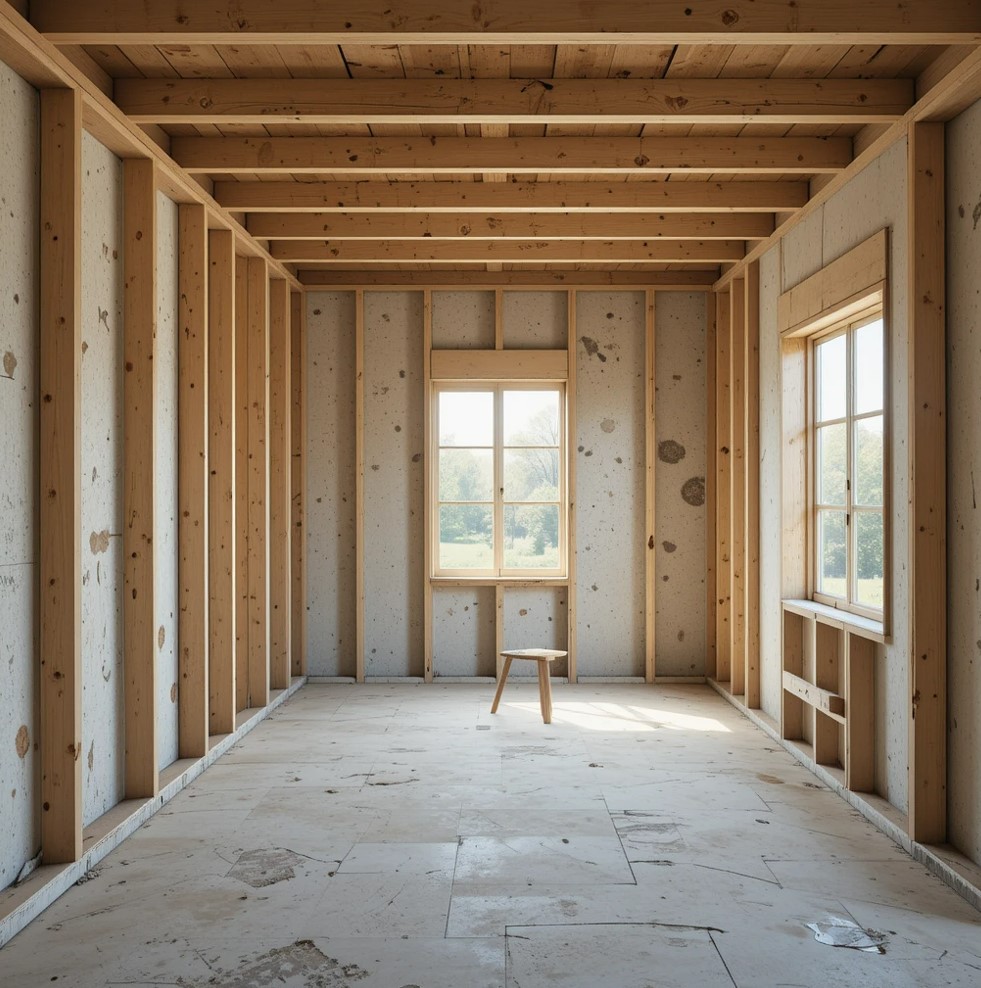

Water infiltration can lead to structural damage, mold growth, and other issues. Waterproofing protects the foundation from the weakening effects of moisture, and thus by extending its lifespan. By preventing moisture buildup, waterproofing helps to create a healthier indoor environment. Waterproofing can help mitigate the effects of ground water pressure on the foundation walls, preventing leaks and cracks. Let’s explore some main ways of waterproofing the foundation.
1. Exterior Waterproofing
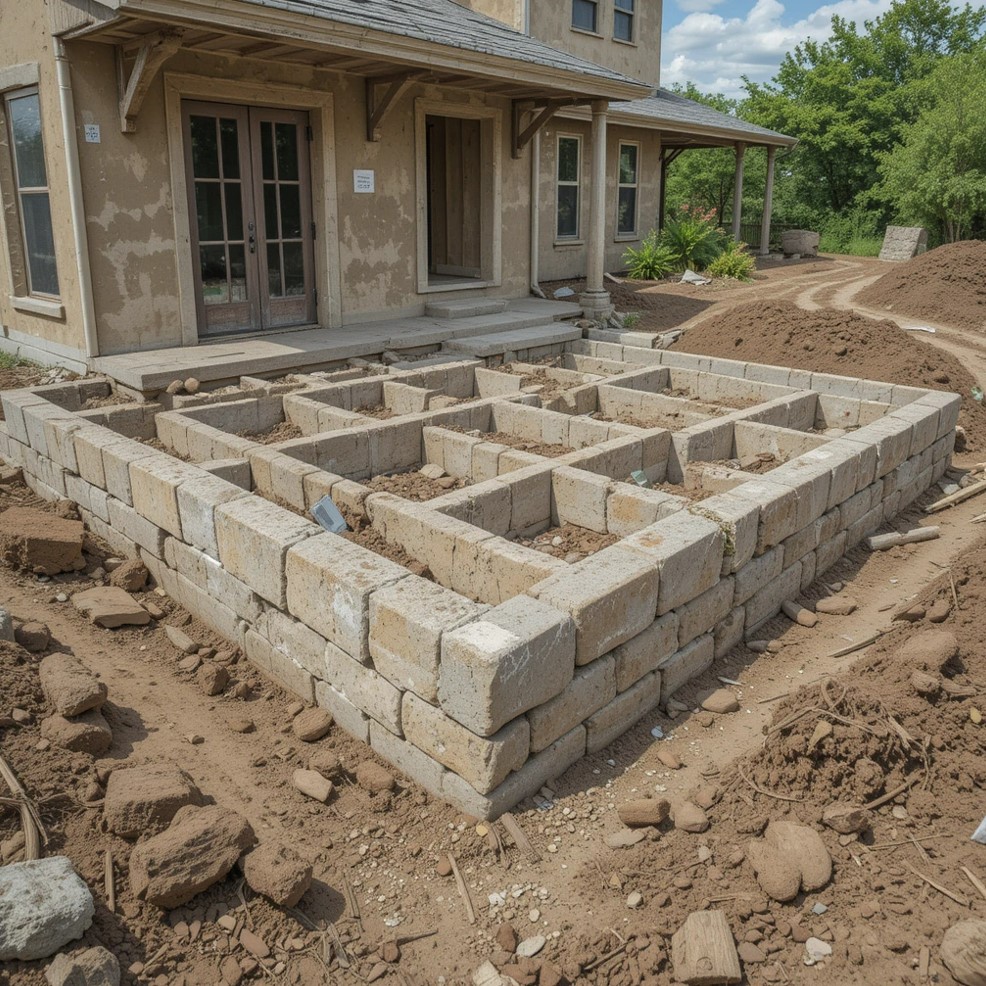
a. Cementitious Coatings: These coatings are made from a blend of cement, sand, and polymers of latex, forming a waterproof barrier. They create a seamless, durable coating that prevents water from penetrating the foundation.
- One component (1K) or two component (2K) systems: these are classifications based on the number of components required for application.
- Crystalline based cementitious systems: these systems react with moisture and unhydrated cement particles to form an insoluble, crystalline structure that fills pores and cracks, preventing water ingress.
These coatings have a strong affinity for concrete and masonry substrates. They allow the structure to breathe, preventing moisture buildup and damage. They can be used for positive and negative side waterproofing. They are resistant to water, chemicals and abrasion. Cementitious coatings are relatively easy to apply and create a seamless finish. Main applications of these coatings are protecting foundation walls from water damage. Effective waterproofing requires proper surface preparation and application techniques. Choosing the right cementitious coating for the specific application is crucial. Regular inspections and occasional touch ups may be necessary.
b. Bituminous Coatings: The primary function of bituminous coating on the foundation is to prevent water from seeping into the structure, protecting against moisture related damage, corrosion and deterioration. Bitumen is a hydrophobic material, meaning it repels water, and its flexibility allows it to seal gaps and cracks effectively. Bitumen coating creates a robust barrier against water penetration, which is crucial for protecting underground structures from moisture related issues. By preventing moisture from reaching underground materials, bituminous coating helps prevent corrosion, especially important for metal components. By reducing the risk of moisture damage, bituminous coating contributes to the overall durability and longevity of the foundation. Bitumen coating can help prevent Alkali Silica Reaction (ASR), a chemical reaction that can damage concrete, especially in areas near beaches.
c. Bentonite Clay: Bentonite clay expands when it comes into contact with water, filling cracks and gaps in the foundation, creating a water tight seal. Bentonite clay forms a durable, waterproof layer that prevents water from entering the foundation and causing damage. Bentonite waterproofing provides a long lasting solution for protecting the structure from water damage. It is a low maintenance solution. This waterproofing is often used in new construction projects to prevent water ingress from the start. It can also be used to address water ingress issues in older buildings. This clay is particularly effective in sealing basement walls and preventing moisture from entering. For full coverage, the foundation may need to be excavated, which can disrupt landscaping. Proper application is crucial for effective waterproofing, and incomplete coverage can allow water to enter. Bentonite applied to foundation walls may not prevent water from entering along the crack between the basement slab floor and the basement wall.
2. Interior Waterproofing

a. Interior Sealants: The primary function of interior foundation sealant coatings is to create a waterproof barrier on the interior surfaces of foundation walls and floors, preventing water from seeping through cracks, joints, or porous materials. These sealants can be applied by brushing, rolling, or spraying onto the surface, ensuring a smooth and even layer. By blocking moisture, these coatings help prevent mold, mildew, and rot, which can weaken building materials and create health hazards. By protecting the foundation from water, these coatings contribute to the overall structural integrity and lifespan of the building.
- Liquid Rubber: A flexible durable and water resistant coating that can be applied to various surfaces, including concrete, brick and wood.
- Epoxy and Polyurethane Sealants: These are often used for crack repair and sealing joints, providing a strong and long lasting waterproof barrier.
- Acrylic Sealants: These are more affordable and versatile, suitable for a wide range of applications, including sealing cracks and joints.
b. Drainage Systems: Foundation drains are designed to collect water from rain, melting snow, and rising groundwater that accumulates around the foundation. Once collected, the water is then diverted away from the foundation through a system of pipes and gravel, preventing it from seeping into the basement or crawl space. By preventing water from accumulating around the foundation, these systems help to prevent hydrostatic pressure, which can cause cracks and damage to the foundation. By preventing water damage and mold growth, proper drainage can also improve indoor air quality.
- Footing Drains: Footing drains are installed around the perimeter of a building’s foundation, typically at the same level as the footings, to intercept and divert water that might otherwise seep into the structure. They consist of the perforated pipe (often called drain tile) surrounded by gravel or crushed stone, which allows water to flow into the pipe and away from the foundation. Footing drains are usually installed during the foundation construction phase, ensuring they are in place before the foundation is fully built. The perforated pipe is typically wrapped in a fabric filter to prevent soil and debris from clogging the drain. The water collected by the footing drain is discharged either to a storm sewer, a sump pump, or to the surface through a dry well.
- French Drains: French drains are a type of drainage system that uses a perforated pipe surrounded by gravel, which is then covered with soil. They are typically installed along the foundation wall to collect and divert water away from the structure. By channeling water away from the foundation, French drains significantly reduce the risk of basement flooding and associated costs. They prevent water from accumulating around the foundation, which can lead to soil erosion and instability. French drains are generally more affordable and are relatively easy to install and maintain compared to other drainage systems, making them a practical solution for home owners. Once installed and covered French drains are virtually invisible, preserving the aesthetic of the property. They provide a functional solution for managing water, creating a drier and more usable space around the property. French drains are designed to withstand hydrostatic pressure and are a long term drainage solution.
- Interior Drainage Systems: These systems like sump pumps are installed inside the basement or crawl space to collect and pump out water that has entered the area.
Exterior Drainage Systems: These systems, like footing drains, are installed outside the foundation to collect and divert water away from the structure.