

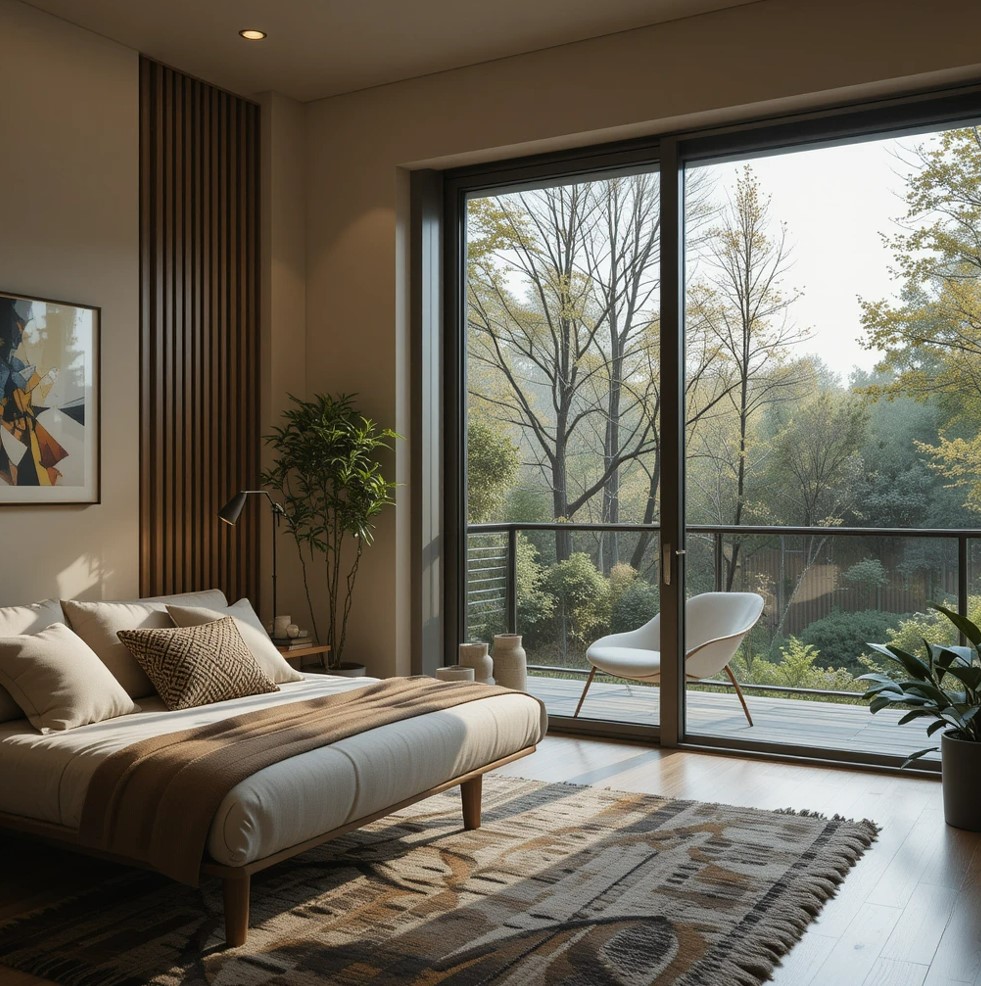

An old saying says, eyes are the windows to the soul, we should agree on that because in our home we have cats, and they socialize mostly by looking at you, scanning what you do, and finally they make a move, either come close or stay still, and keep observing. You could see the whole world in their eyes; they are so deep and thought provoking, and that’s how we should see the meanings of life events, as well. Everything connects, in and out, like how we open our windows at home to feel a fresh breeze in the morning, after a long night and bath in sunshine, to recharge our vitamins, every single day. Which concludes, windows are equally important, choose them wisely and this blog will help you do so.
1. Common Types

a. Double-Hung:
- Two Operable Sashes: Ventilation is made flexible by the ability to raise and lower the upper and lower sashes, or glass panels.
- Ventilation Control: This safety feature is ideal for households with little children since it allows you to open only the top sash for ventilation while keeping the bottom sash closed. To improve air flow and encourage natural ventilation, you can also open both sashes.
- Cleaning: Since many contemporary double-hung windows tilt inward, you may clean the outside glass of your house from within.
- Traditional Design: A timeless and adaptable window design, double-hung windows may blend in with many types of homes.
- Versatility: They are simple to use and might be a suitable option for tiny spaces.
b. Casement:
- Hinged Side: The sash of a casement window can swing open like a door thanks to hinges on the side.
- Crank Operation: Although some can be automated, they are typically driven by a crank mechanism.
- Wide Opening: A substantial amount of natural light and ventilation are made possible by the design.
- Airtight Seal: Casement windows can reduce drafts and increase energy efficiency by sealing tightly against the frame when closed.
- Unobstructed View: Casement windows provide an unobstructed, clear, and expansive view when they are open.
c. Sliding:
- Operation: Two sashes, one fixed and one that swings horizontally within the frame, are commonly found on sliding windows. They can be set up to slide left or right, and you can select which sash opens.
- Space-Saving: Sliding windows are perfect for smaller rooms since they don’t jut out into the room like casement windows do.
- Aesthetics: Some might favor the look for casements or other window styles, while others could find sliding windows sleek and contemporary.
- Maintenance: To guarantee seamless operation and peak performance, sliding windows, like all window types, need to be maintained on a regular basis.
d. Awning:
- Design: The top border of the frame contains hinges that allow awning windows to open outward towards the bottom.
- Function: Usually, a crank handle at the bottom of the window is used to operate them. To open or close the window, you must first unlock it, then turn the crank.
- Ventilation: Excellent ventilation is provided by awning windows, which allow for air circulation without sacrificing wall area, particularly when positioned high on a wall.
- Weather Protection: The window and interior are shielded from rain and direct sunlight by the canopy effect created by the outward opening.
- Versatility: Because of their versatility, awning windows can be utilized above doorways or as part of larger window combinations, as well as in a variety of settings, such as basements, bathrooms, and kitchens.
- Limited Vertical Space: Awning windows are perfect for spaces with limited wall space since they take up less vertical space.
e. Fixed:
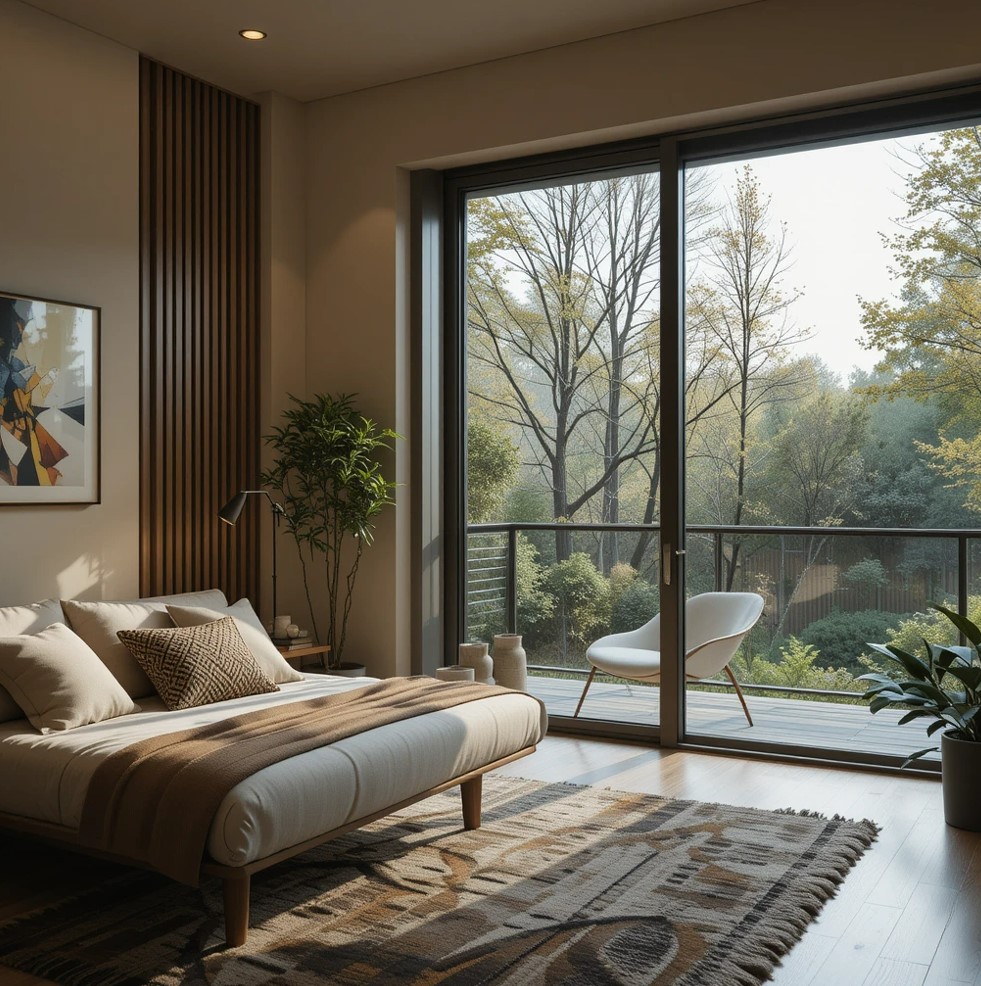
- Non-Operable: Fixed windows, in contrast to traditional windows with movable sashes, are permanently affixed and unopenable.
- Aesthetic Appeal: Because fixed windows are simple and don’t have any moving parts, they frequently have a sleek, contemporary appearance.
- Natural Light: In order to optimize natural light, fixed windows reduce impediments and increase the surface area of the glass.
- Panoramic Views: Because fixed windows offer a clear, unhindered perspective, they are perfect for rooms with picturesque views.
- Sunrooms and Lounges: They can be employed to optimize light and produce a light-filled, welcoming area.
- Picture Windows: Large, stationary glass panels that frame a vista are frequently seen in dining rooms and living rooms.
- Circle Top Windows: Fixed windows with an arch or curved top are frequently utilized to enhance natural light and provide architectural interest.
f. Bay and Bow:
- Bay Windows: By curving toward the outside, the contour forms a 90-degree angle. Usually consist of two external panel windows and a centralized glass screen. They may provide a more angular or geometric appearance. And they are frequently found in residences built in the Victorian, Tudor and Craftsman styles.
- Bow Windows: Gently curved outward like an arc shape. Typically comprise a minimum of four glazing elements of the same dimension and form. They may provide a rounder or smoother appearance and they are frequently found in homes with a traditional or Victorian feel.
- Benefits: Compared to a typical window, both varieties let in more natural light and both offer more expansive outside views as well. They make an alcove or bay inside the room, which gives it more space. They can provide the house a distinctive and alluring architectural element. By capturing side breezes, its outward extension can aid in natural ventilation.
g. Specialty Windows:
- Arched Window: Arched windows give a soft curvature to the overall design because they usually have a rectangular base and a rounded or semi-circular top. Compared to conventional rectangular windows, they offer a more elegant and classic appearance that can improve a home’s visual attractiveness. More natural light can enter a space with arched windows, which can also be made to be able to be opened to provide ventilation. They are a good choice for larger openings because of the arched shape, which helps spread the weight of the building materials more evenly. There is a great deal of personalization possible with arched windows because they may be altered in size, shape and material.
- Corner Window: By letting sunlight in from two distinct directions, corner windows make rooms brighter and more lighted. This is especially useful in areas that might not normally get as much natural light. Wide-ranging views of the surroundings are made possible by the design’s increased field of vision. By adding a distinctive architectural element, corner windows can improve a home’s exterior and interior design. The broader viewpoint and increased amount of daylight make the room feel bigger and lighter. From sleek, contemporary designs to more conventional arrangements, corner windows can be incorporated into a wide range of architectural styles. By the way, a little draft may occasionally form where two windows meet, although this can be lessened with careful installation and sealing.
2. Other Options
a. Tilt and Slide Windows:
- Tilting: The window leans inwards at its highest point to bring in cool air while remaining the bottom safe. This is perfect for keeping airflow going without sacrificing security, particularly in homes with kids or pets.
- Sliding: For optimal ventilation and convenient access, the window can be slid open to its fullest position.
- Security: Tilt and slide windows usually have several locking points when closed, which makes them safe and impervious to unauthorized entrance.
- Cleaning: Even in high-rise apartments, the tilting inward feature makes cleaning from inside the house simple.
b. Louvered Windows:
- Adjustable Slats: Louvered windows’ primary feature is their adjustable wooden slat, which can be opened or shut to regulate airflow and illumination.
- Ventilation: According to a blog, you may regulate how much fresh air enters the room by altering the slats, which will encourage ventilation and keep the area cool.
- Light Control: You may control how much natural light enters a room by using louvered windows, says a website.
- Privacy: By obstructing direct external views, the slats can also be adjusted to offer privacy.
- Weather Protection: The slats provide protection from rain, debris, and other weather conditions when they are closed.
- Materials: Wood, metal or glass are some of the materials that can be used to create Louvered windows.
- Applications: They are frequently found in attics, porches and bigger window designs in warm areas to encourage ventilation.
c. Skylights:
- Natural Light: Skylights enliven spaces and reduce the need for fluorescent lamps throughout the day by allowing in a great deal of sunshine.
- Views: By bridging the indoor and outdoor spaces, skylights offer views of the sky, clouds and other celestial phenomena.
- Ventilation: A lot of skylights are made to open, which enhances ventilation and air movement.
- Aesthetic Appeal: By adding a dash of sophistication and contemporary style, skylights enlarge and beautify spaces.