

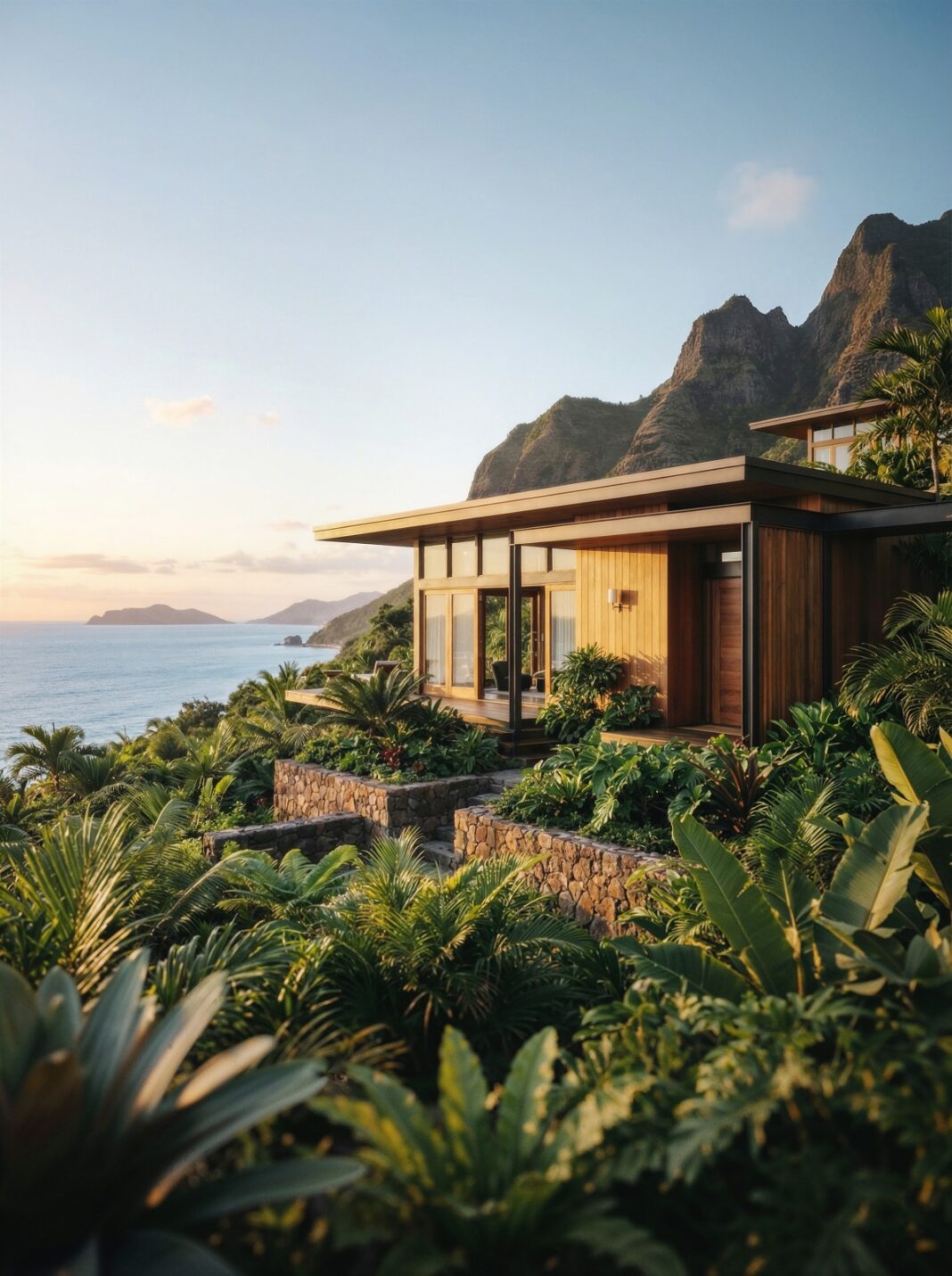

Muted hues, relaxed silhouettes, sun-washed textures and a sense of perpetual holiday because coastal interior design is not about living by the sea. It’s about living as if the sea lives within you. You don’t need an oceanfront address to create a coastal home. What you need is intention: light-filled spaces, organic materials, and a restrained palette that echoes sand, sky and shoreline. At its best, coastal style isn’t decorative, it’s atmospheric. It slows your pulse. It invites bare feet. It breathes. Let’s explore how to design a home that feels open, effortless and quietly luxurious.
What Is Coastal Interior Design?
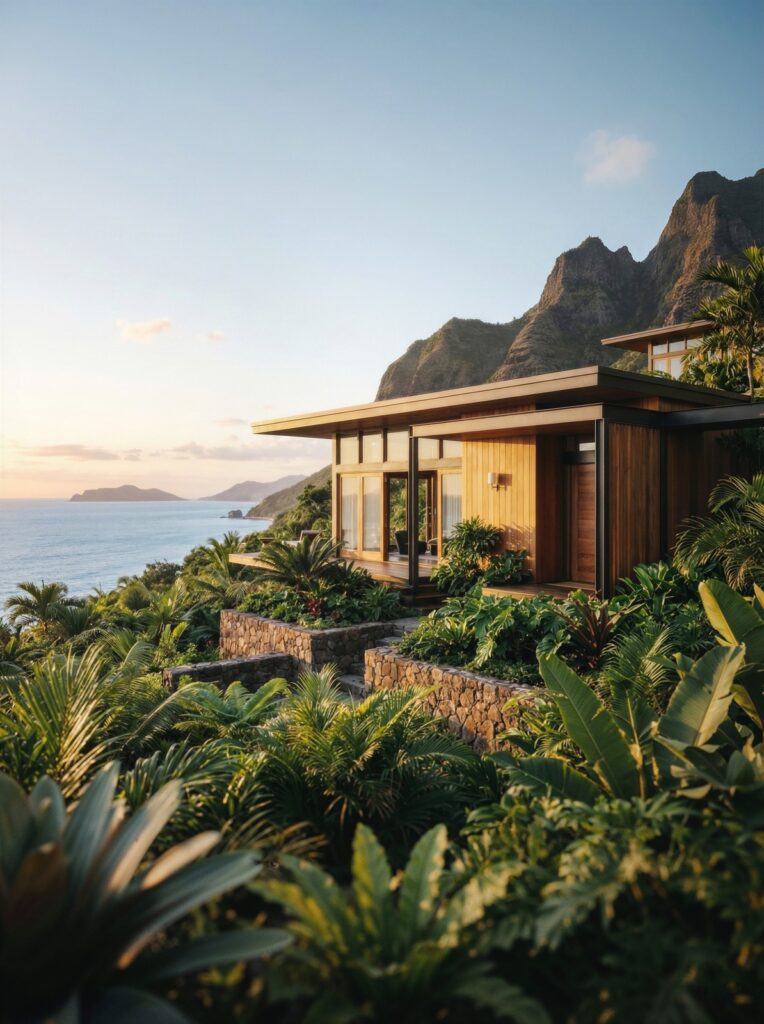
Coastal interior design is a design philosophy inspired by shoreline landscapes but interpreted with subtlety.
Unlike nautical themes (which lean into anchors, stripes and maritime motifs) or tropical décor (which highlights bold foliage and saturated colors), coastal interiors focus on light, texture and natural harmony. It mainly captures the mood of the coast rather than merely replicating beach scenery to your home’s inside.
Think about these when you plan that in particular:
- Weathered driftwood
- Chalky whites
- Pale sea blues
- Soft dune greys
- Linen that moves with the breeze
At its core, coastal style is about:
- Openness
- Organic beauty
- Relaxed elegance
- Seamless indoor–outdoor connection
It feels curated, but never staged.
Key Characteristics of Coastal Interior Design
1. The Coastal Color Palette: Naturally Layered and Led
The fundamental but the raw foundations of any coastal interior begin with a carefully and thoughtfully balanced color scheme inspired by those natural shoreline landscapes around the world.
Base Neutrals
- Chalky whites
- Warm off-whites
- Sand beige
- Pale greige
These tones mimic sun-bleached sand and foamy waves. They reflect light beautifully from their surfaces and create a softer, gentler visually illuminating canvas.
Ocean-Inspired Accents
- Misty blues
- Seafoam green
- Muted navy
- Soft celadon
- Weathered teal
Avoid bright, artificial blues. Coastal color should feel slightly faded, as if touched by salt and sun.
Grounding Tones
- Warm terracotta
- Honey oak
- Soft taupe
- Driftwood grey
These prevent the space from feeling sterile.
Uncommon but Crucial Tip:
Instead of using only cool whites, incorporate warm undertones. Coastal homes in humid or tropical climates (like India’s western coast) benefit from warmer whites to prevent a cold or clinical feel.
2. Furniture: Relaxed, Organic, and Gently Aged
Coastal furniture should and must look like it has a story to share with the world, not like it came straight from a showroom that has no life.
Distressed & Weathered Pieces
Choose furniture with:
- Softly worn finishes
- Subtle paint chipping
- Matte, unpolished surfaces
The goal is authenticity. Artificial distressing should feel understated, not just exaggerated to the point.
Driftwood Elements
Driftwood brings raw texture and sculptural beauty. Use it in:
- Coffee tables
- Mirror frames
- Accent stools
- Lighting bases
Its irregularity adds visual depth.
Rattan, Wicker & Cane
These materials introduce breathability and texture. Use them for those mentioned below:
- Armchairs
- Storage baskets
- Bed headboards
- Pendant lights
They balance structure with airiness.
Light-Toned Woods
Opt for the following:
- Bleached oak
- Pale pine
- Whitewashed teak
- Natural maple
Avoid overly dark woods. Coastal interiors thrive on reflection and softness.
Soft Curves
The use of rounded edges echo waves and shorelines. Choose the things stated below:
- Curved sofas
- Oval dining tables
- Arched mirrors
- Circular rugs
Sharp angles disrupt the calm rhythm.
3. Natural Materials: The Backbone of Coastal Style
From their presence materials should feel tactile and honest.
Essential Materials are listed below:
- Raw wood
- Stone (limestone, travertine, sandstone)
- Linen
- Cotton
- Sisal
- Jute
- Bamboo
- Rope accents
These elements connect interior spaces to nature.
Tips to Remember:
Mix matte finishes with subtle sheen. Two examples are stated below:
- Pair a honed stone countertop with brushed brass fixtures.
- Combine linen upholstery with glazed ceramic accessories.
Visual flatness can be prevented by this contrast.
4. Flooring: Durable, Light, and Seamless
Flooring in coastal homes must be both practical and aesthetic.
Ideal Options:
- Wide-plank light hardwood
- Lime-washed timber
- Natural stone tiles
- Matte-finish porcelain tiles
In humid regions, engineered wood or high-quality porcelain can mimic timber while resisting moisture damage.
Layer floors with these below:
- Jute rugs
- Sisal runners
- Cotton dhurries in oceanic hues
These soften acoustics and add dimension.
5. Lighting: Airy and Layered
Natural light defines coastal interiors.
Large Windows & Glass Doors
Consider maximizing the use of the following:
- Floor-to-ceiling glazing
- Sliding glass panels
- French doors
They blur indoor-outdoor boundaries.
Skylights
Strategically placed skylights definitely inspire the effects below:
- Illuminate darker corners
- Create dramatic daylight shifts
- Enhance spatial openness
Sheer Curtains
Use:
- Linen sheers
- Soft cotton drapes
- Neutral Roman blinds
Let light filter through gently.
Artificial Lighting
Choose fixtures made of:
- Rattan
- Ceramic
- Clay
- Whitewashed wood
- Frosted glass
Use warm LED tones (2700–3000K) to maintain softness.
6. Texture: The Secret Ingredient
Texture adds emotional depth.
Layer them with the following:
- Linen slipcovers
- Chunky knit throws
- Raised embroidery cushions
- Waffle weaves
- Seagrass baskets
Mix smooth and coarse finishes to create balance.
An Insight to Consider:
In coastal interiors, texture replaces bold color. If your palette is restrained, tactile variation becomes essential for visual richness.
7. Architectural Features of Coastal Homes
Coastal-inspired architecture around the world often include these below:
- Open-plan layouts
- Exposed wooden beams
- Shiplap or tongue-and-groove paneling
- Matte plaster finishes
- Plantation shutters
- Archways
Open plans improve airflow and allow natural light to circulate freely.
When zoning open layouts:
- Use area rugs
- Subtle ceiling variations
- Furniture groupings
Avoid heavy partitions.
Coastal Interior Styling Ideas
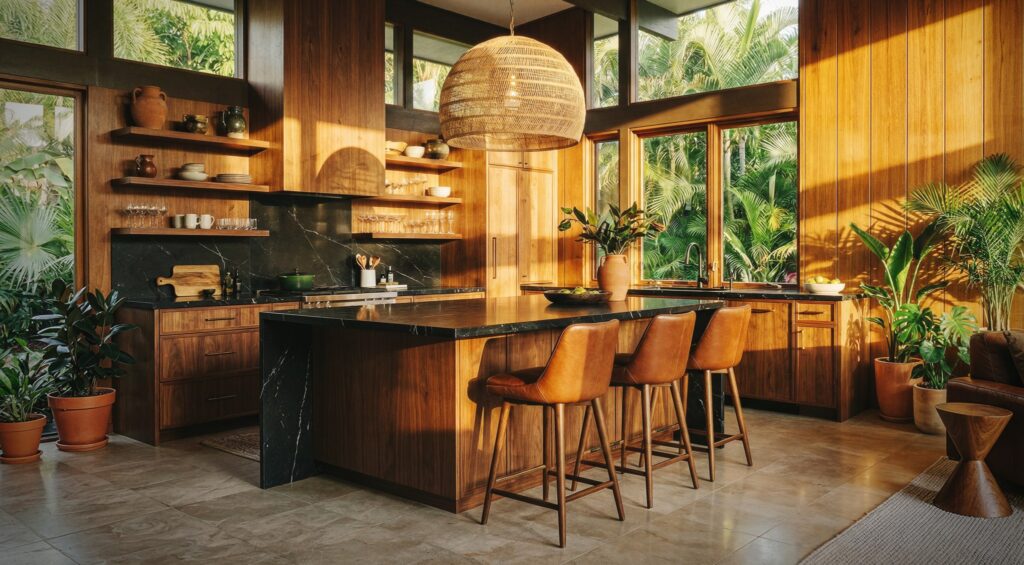
1. Mirrors and Glass
Think about placing mirrors opposite to windows to reflect light and efficiently amplify the space. Always use curved or arched frames in rattan or natural wood for visual enhancements of the area.
2. Seamless Outdoor Integration
Consider creating beautiful patios or balconies that mostly echo indoor materials like the following:
- Matching cushions
- Similar wood finishes
- Consistent color palette
This continuity enhances spatial flow.
3. Artwork with Restraint
Choose one or many of these:
- Abstract coastal-inspired pieces
- Vintage watercolors
- Textural wall art
- Black-and-white photography
Avoid overly literal beach prints.
4. Natural Elements
For a better result, bring in the following elements to the space:
- Fiddle leaf figs
- Palms
- Monstera
- Pampas grass
- Driftwood branches
Greenery adds living contrast to neutral interiors.
5. Canopy Beds
Keep in mind to use light fabrics draped over simple frames for a breezy, resort-like bedroom (your most spent space in a home) aesthetic.
6. Local Touches
Adapt coastal design to regional context:
- New England/ North East: Defined by a timeless nautical charm. Picture in your mind about finely polished, highly structured interiors with deep wood tones, navy accents, crisp whites and classic attention to details like shiplap and beadboard.
- California/ West Coast: A thoughtful fusion of modern minimalism and laid-back ever evolving bohemian style. Which mainly emphasizes natural textures, eco-conscious sustainable materials and a fluid transition between indoor and outdoor spaces in a home.
- Florida/ Southern Coast: Designed for relaxed, breezy living in warm climates. Lighter, sun-washed woods, soft pastels or vibrant pops of color and subtle tropical or boho influences set the tone.
Coastal style should feel geographically grounded, not generic.
Coastal Interior Design: Do’s and Don’ts
Do:
✔ Choose UV- and moisture-resistant fabrics
✔ Add brighter coastal colors sparingly
✔ Use marine-grade hardware in humid climates
✔ Prioritize ventilation
Don’t:
✖ Overuse nautical symbols
✖ Overcrowd surfaces
✖ Choose glossy finishes excessively
✖ Mix too many bold patterns
Remember: coastal design thrives on restraint.
Materials Used in Coastal Interior Design
Common materials include:
- Driftwood
- Whitewashed timber
- Cane and rattan
- Linen and cotton
- Jute and sisal
- Natural stone
- Brushed nickel and brass
They age gracefully, developing character over time.
How to Make Your House Look Coastal
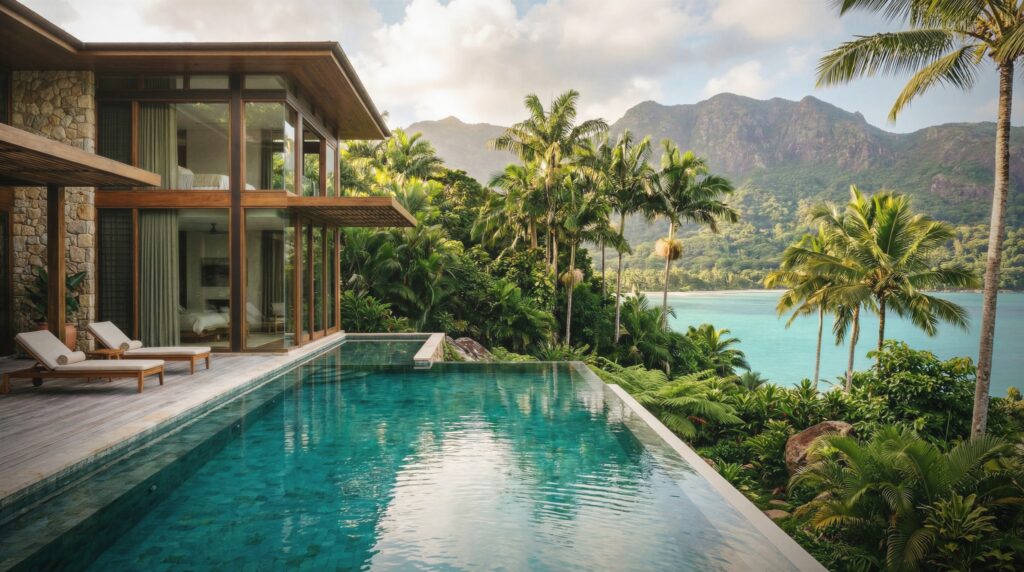
1. Start with a neutral base.
2. Introduce natural textures.
3. Maximize natural light.
4. Must add subtle ocean-inspired accents.
Focus on atmosphere over decoration.
What Is the Coastal Aesthetic?
The coastal aesthetic is defined by:
- Airiness
- Organic texture
- Muted color harmony
- Relaxed sophistication
It’s not themed but it’s felt. And it reflects the quiet luxury of shoreline living, where time stretches, light shifts gently and interiors breathe with intention.
A Thought Wrap
A well-executed coastal interior design doesn’t shout “beach house.” It whispers calm. It invites pause. It feels evolved rather than assembled.
When done right, it transforms a home into something deeply restorative like a sanctuary shaped by light, texture and the quiet rhythm of the sea.
If you design with restraint, honor natural materials and let light lead the way, you won’t just create a coastal-style home; you’ll create a space that feels endlessly, effortlessly at ease.