

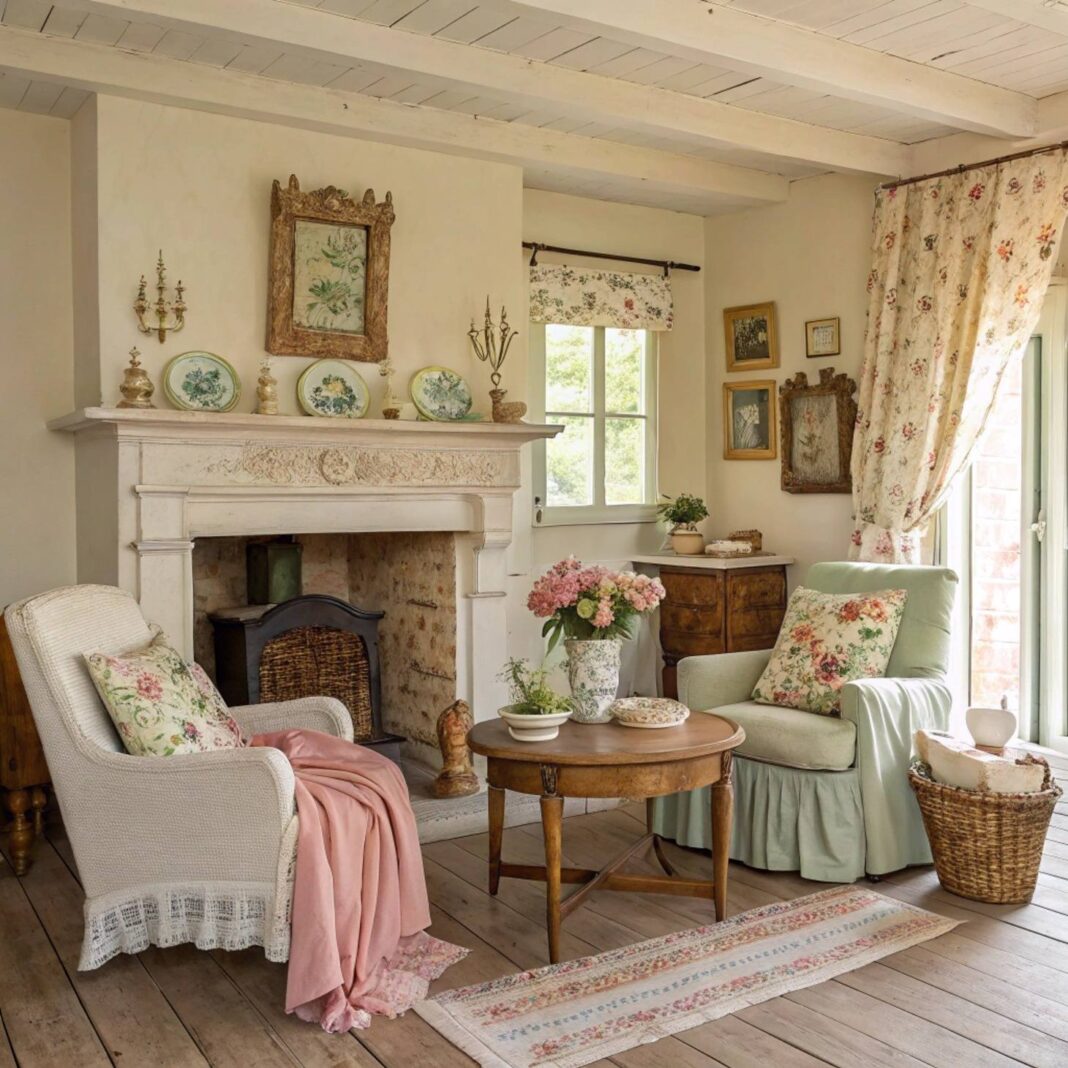

Shabby chic designs are more than just a decorating trend, it’s a built-in philosophy of human comfort, mindful memory and lived-in beauty. Rooted especially in vintage charm and thoughtful romantic cottage aesthetics, this design style always blends timeworn finishes, soft and gentle color palettes and elegant details to create interiors that ultimately feel both freshly refined and undeniably welcoming.
Although often associated with the complicated late 20th century, shabby chic has evolved into a timeless design language that speaks through generations. Today, it mostly feels less frilly and more curated like a thoughtful balance between personal nostalgia and mental restraint. Below, as usual, we are exploring the origins of shabby chic, its main defining characteristics and premium expert-backed styling ideas which are meant to help you create a home that feels visually warm, layered in reality and enduring to the daily ups and downs.
The Origins of Shabby Chic
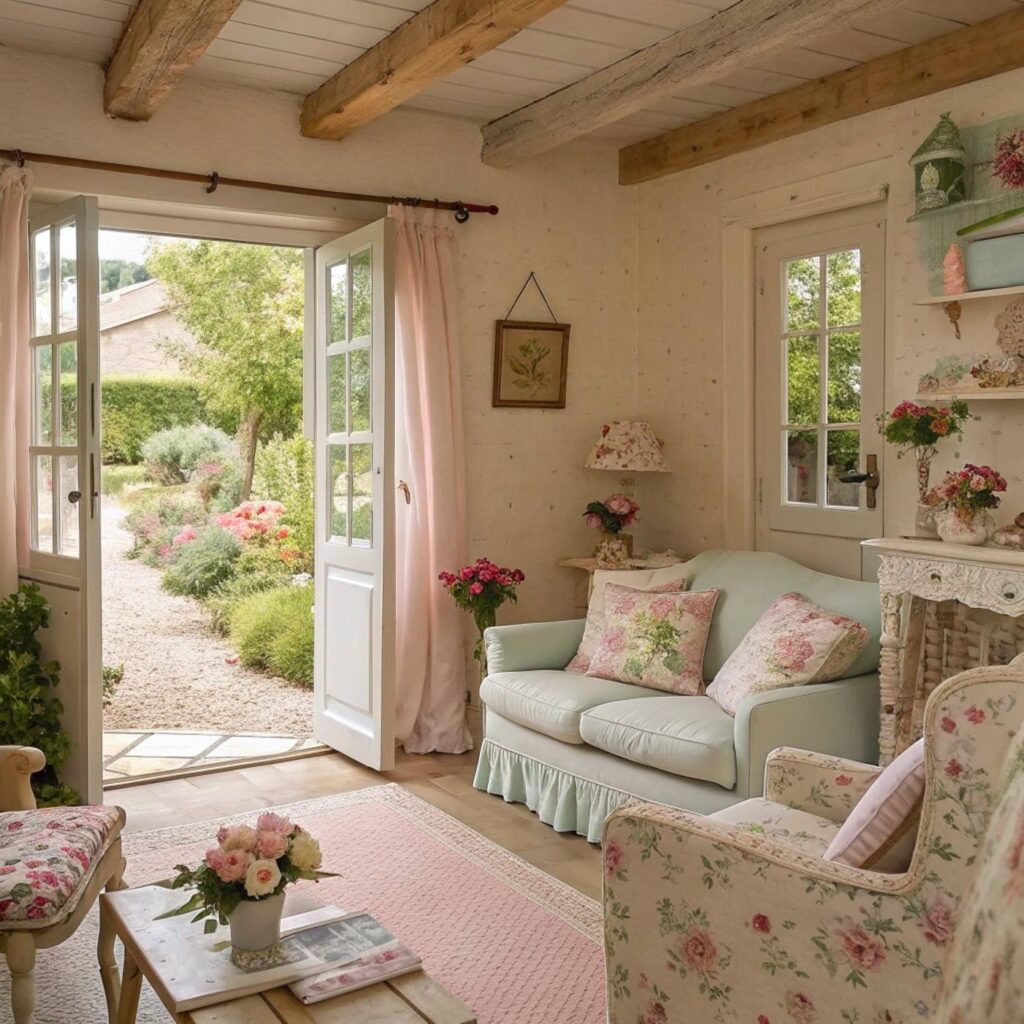
The shabby chic movement rose to prominence in the 1980s when British designer Rachel Ashwell introduced the concept through her California-based brand and retail stores. She reimagined discarded antiques and flea market finds, transforming them into elegant yet relaxed home furnishings. By the 1990s and early 2000s, the aesthetic had become globally recognizable.
Ashwell’s philosophy was simple but powerful: imperfections tell a story. Worn edges, faded fabrics and gently distressed finishes were not flaws but they were character. As mass retailers began adopting the look, shabby chic became widely accessible and a defining style of the era.
Why Shabby Chic Is Resurfacing
Interior design trends around the world often move in cycles and shabby chic is no exception, in that sense. After a short period of minimalism and hyper-modern interiors, homeowners began innately craving warmth and emotional depth; especially during the unfortunate global pandemic years, when homes of small or big became live sanctuaries rather than just ordinary addresses.
The modern revival of shabby chic is streamlined. Gone are the overly ornate swags and excessive embellishments. In their present places: softer or gentler silhouettes, refined details and carefully edited thoughtful décor. The essence of those efforts remains such as comfort, romance and authenticity but with greater restraint than normal and added sophistication.
Core Characteristics of Shabby Chic Style
Shabby chic interiors share several unmistakable traits:
1. Distressed & Timeworn Furniture
Furniture often features chalk-painted finishes, rubbed edges and lightly sanded corners. The goal is to mimic the natural aging process rather than create artificial damage. The more a piece is used over time, the more it blends seamlessly into the aesthetic.
Classic examples include:
- French bergère chairs
- Slipcovered armchairs
- Gustavian or French Provincial cabinets
- Refectory dining tables
- Painted wrought iron bed frames
2. Soft, Muted Color Palettes
The shabby chic color palette revolves around light-reflective, calming hues:
- Creamy whites and ivory
- Soft greys and taupe
- Powder blue and Wedgewood blue
- Pale pink and dusty rose
- Mint green and sage
- Lavender and buttery yellow
- Subtle hints of antique gold
These tones create an airy foundation that allows vintage textures to stand out without overwhelming the space.
3. Romantic Textiles
Linen, lace, cotton voile, chenille and velvet dominate soft furnishings. Florals, botanical prints, birds and subtle stripes are common. Ruffles, tassels and delicate mindful trims add detail without intentionally overpowering the entire room.
Slipcovers are especially important and they introduce softness while allowing flexibility. The presence of a beautifully tailored slipcover with the touch of subtle flange seams or contrast piping can further elevate the look from everyday casual to well refined.
4. Vintage Accessories
Shabby chic usually thrives on specific curated eclecticism which mainly include decorative plates, lace doilies, aged mirrors, corbels, old books, enamel jugs and mercury glass candleholders etc. add depth to every setting. The key is balance because grouping smaller items on trays prevents visual clutter while maintaining charm.
Architectural Features That Elevate the Look
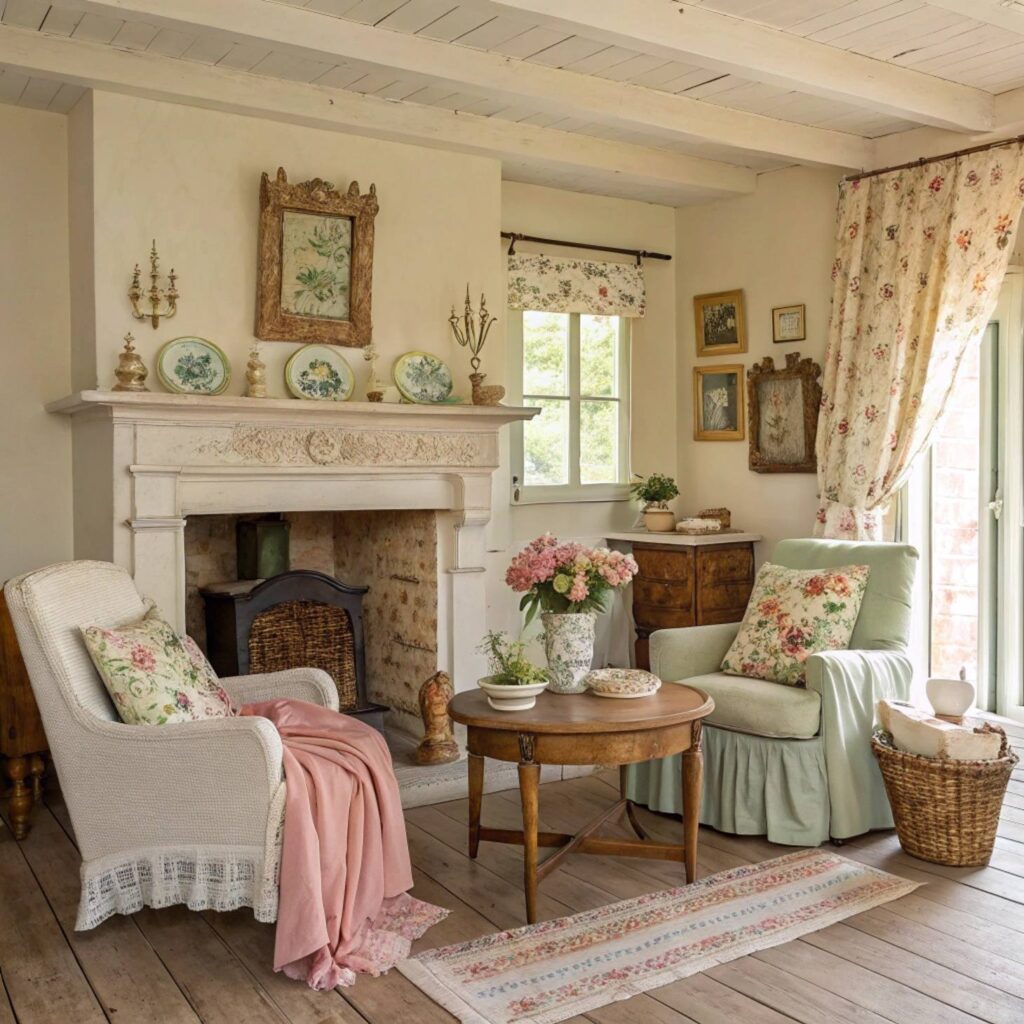
Modern shabby chic homes often incorporate architectural details that enhance texture and authenticity:
- Wall mouldings and wainscoting
- Shiplap or beadboard panels
- Tongue-and-groove treatments
- Limewash or Venetian plaster finishes
- Faded floral wallpaper inspired by English country homes
These features create a backdrop that feels historic, even in newer builds. Painting wall paneling in chalky white or pastel tones enhances the distressed appeal.
Flooring in Shabby Chic Interiors
Always keep in mind that flooring choices which are present in shabby chic contribute significantly to the overall atmosphere of the project. Popular options include these mentioned below:
- Whitewashed timber planks
- Reclaimed or recycled wood
- Waxed parquet or herringbone floors
- Light hardwoods like birch or white oak
Layering is essential. Oversized sheepskins, faded Persian or Aubusson rugs and natural fiber rugs like jute and sisal soften hard surfaces while reinforcing the relaxed elegance.
Lighting: The “Chic” in Shabby Chic
While the “shabby” element tends to lean rustic, the “chic” momentarily introduces sophistication. Lighting fixtures play a crucial role that are typed below:
- Crystal chandeliers
- Delicate wall sconces
- French-style baluster table lamps
- Vintage-inspired Tiffany lamps
- Italian tole chandeliers
Warm, diffused lighting enhances the romantic quality of the space. Consider avoiding harsh LED temperatures that may blur the vision in the long term; instead, try choosing soft and gentle white bulbs to preserve the nostalgic visual ambiance of the room.
Window Treatments That Feel Effortless
Soft window dressings are always an integral part to the style and those are listed below:
- Sheer linen drapes
- Lace curtains
- Fabric Roman blinds in faded florals
- Light ruffled valances
- Painted wooden shutters
The goal is to allow natural light to filter gently into the room, creating movement and softness rather than heaviness.
Textures & Materials: Layering with Intention
The presence of texture is ultimately what prevents shabby chic from feeling flat to the eyes. The better choice is to combine delicate elements with grounding materials, such as:
- Distressed wood
- Natural stone or marble
- Wrought iron
- Rattan and wicker
- Ceramic and glass
This contrast between fragility and structure gives the style dimension. For example, pairing a lace table runner with a chunky, of course durable reclaimed wood table effectively creates visual harmony in the room through contrast.
Artwork & Mirrors
Worldly artworks in shabby chic interiors often reflects the style and principles of pastoral romance and those works are:
- Vintage botanical prints
- Still-life oil paintings
- Gilt-framed pastel canvases
- Landscape scenes
- Antique French mirrors with patinated finishes
Mirrors are particularly powerful. A slightly aged mirror amplifies light while reinforcing the sense of history.
Living Energy: Bringing Nature Indoors
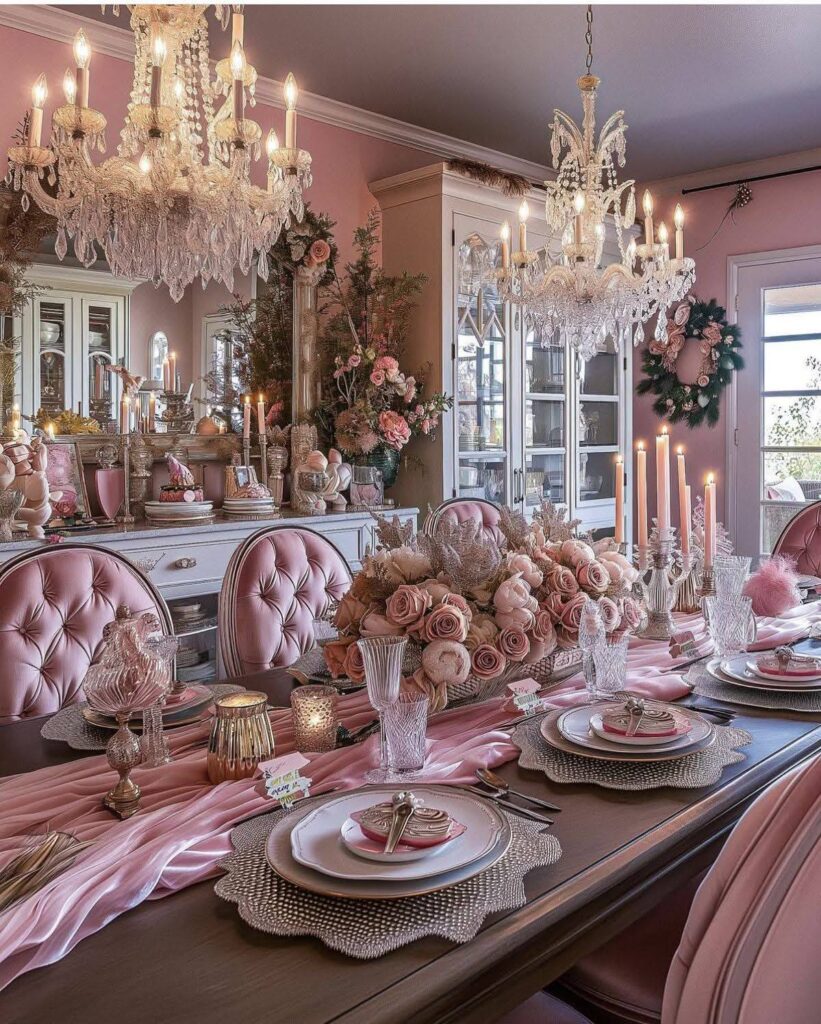
Fresh greenery prevents shabby chic from feeling static. Incorporate the following well for better results:
- Peonies and garden roses
- Astilbe and clematis
- Dried grasses and moss
- Trailing houseplants like philodendrons
- Seasonal pastel arrangements
Organic elements connect interiors to the outdoors, a key element in contemporary interpretations of the style.
Shabby Chic vs. Cottagecore
Shabby chic and cottagecore share similarities, but they are not identical. The idea of cottagecore successfully emphasizes mainly in rural, away from the busy world like living and handmade aesthetic simplicity, often romanticizing prairie life and prioritizing self-sufficiency to the core. Shabby chic design, by contrast, efficiently focuses more on decorative elegance and curated vintage fine refinement within a comfortable and expressable premium setting.
Shabby Chic vs. Bohemian Style
While both styles embrace layered décor and vintage elements, bohemian interiors lean toward bold colors, global textiles and eclectic maximalism. Shabby chic remains softer and more cohesive, relying on muted pastels and restrained ornamentation.
Uncommon but Essential Insights for Modern Shabby Chic
1. Edit Ruthlessly: True elegance lies solely in restraint which limits the accessories to truly meaningful pieces rather than filling every surface that are present there.
2. Invest in Quality Upholstery: The use of cheap fabrics can make the style look dated because natural fibers unimaginably elevate the authenticity to a whole new level.
3. Balance Feminine with Structure: Adding galvanized metal, leather accents or industrial lighting strategically to better prevent the space from feeling overly delicate.
4. Consider Patina Over Perfection: Authentic aging always looks better than artificial distressing.
5. Avoid Over-Matching: Slight variations in whites and pastels create depth. Uniform tones can flatten the room.
Is Shabby Chic Still in Style?
Yes, but it has matured. Today’s shabby chic interiors became less ornate and more curated because they effectively combine vintage character with thoughtful design discipline. Rather than feeling temporarily trendy, the style now reads and valued as classic and emotionally resonant to the viewer.
Conclusive Thoughts
Shabby chic interior design celebrates worldly imperfection, unlimited comfort and secure memory. It transforms aged durable furniture and softer, gentler color palettes into spaces that heartily feel intimate and enduring everything that comes after. By successfully combining romantic details entirely with mindful structural balance and thoughtful editing, you can perfectly create a home that feels timeless rather than mere nostalgia.
In a world increasingly drawn to speed and minimalism, shabby chic offers something deeper: a reminder that beauty often lies in what has been gently worn, lovingly used and carefully preserved.