

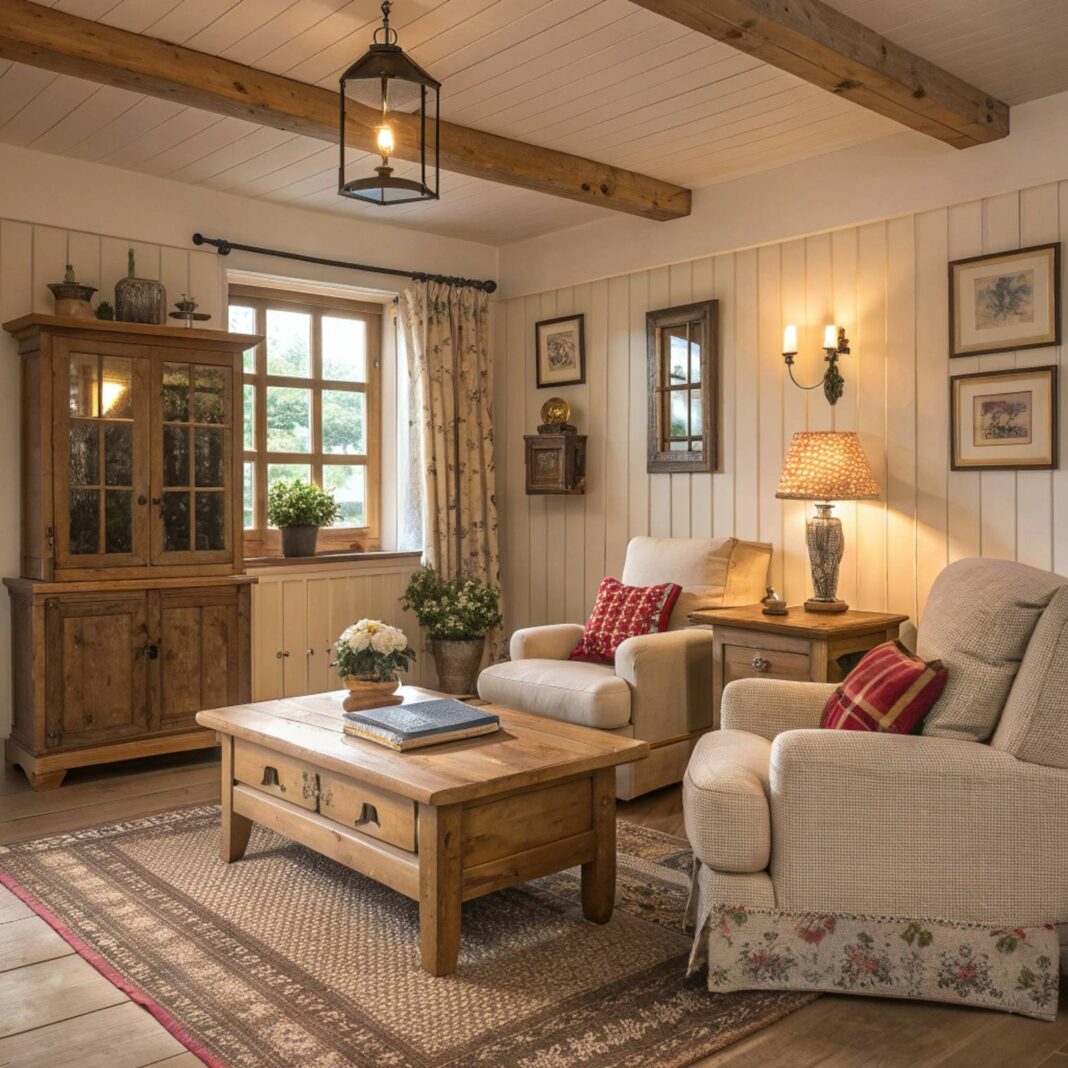

Modern farmhouse interior design is more than just a trend in the current world, it’s always like a lifestyle aesthetic rooted in simplicity of living, personal comfort and authenticity. It merges the grounded practicality of traditional rural homes with the clean sophistication of contemporary design. The result? Spaces that feel lived-in yet refined, nostalgic yet current.
If you’re looking to design a farmhouse-inspired home in the US, even if it’s a countryside retreat, a suburban villa or even a city residence with rustic undertones, this guide will let you explore next to everything you need to know. From solid architectural foundations to styling nuances, here’s a comprehensive, read worthy and original exploration of modern farmhouse interiors around the world, thoughtfully expanded or briefed with practical and applicable insights you won’t find everywhere ever.
Understanding the Origins of Modern Farmhouse Design
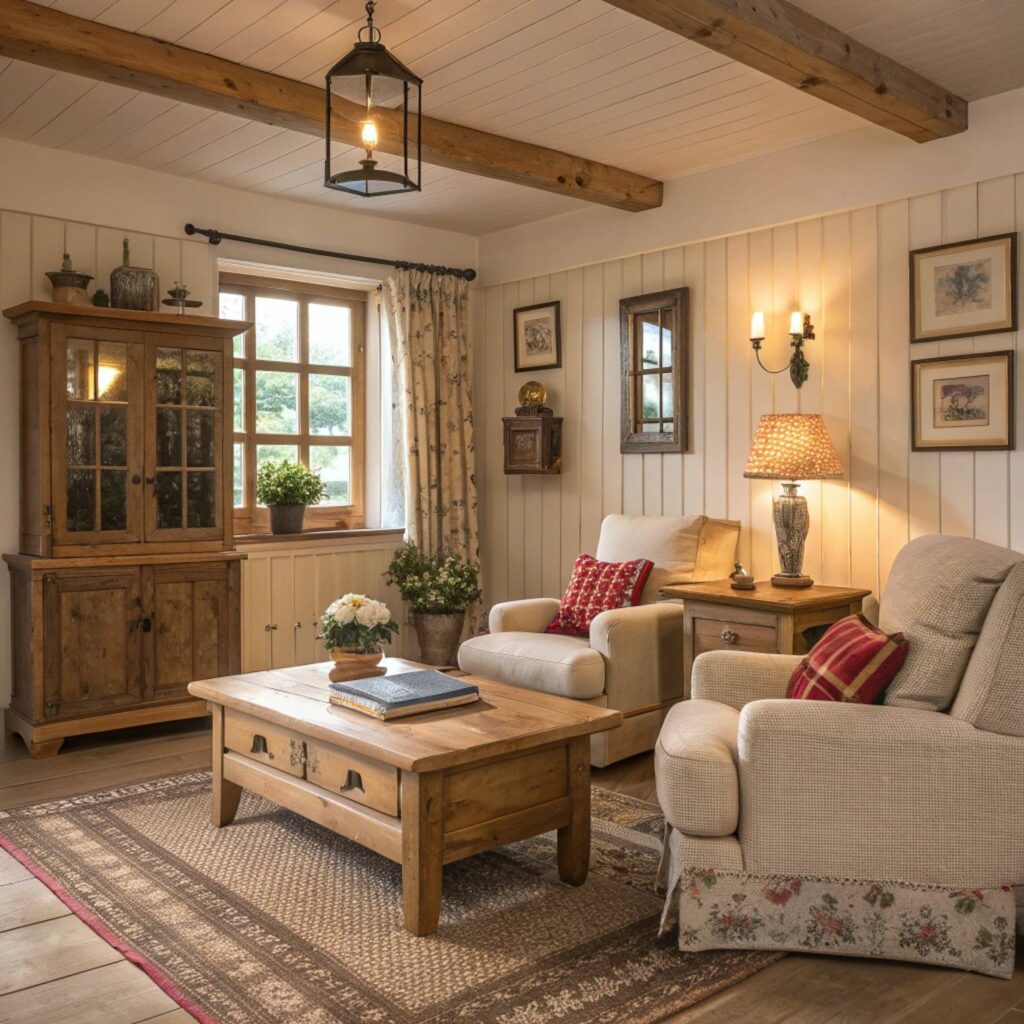
Modern farmhouse design evolved from traditional agrarian homes built across Europe in the 16th and 17th centuries and later adapted in early American settlements. These homes were never about decoration, that is, they were built around necessity.
Wide porches provided shade and social space. Open layouts often allowed airflow and communal interaction throughout the day. The materials needed were sourced locally with minimal costs: wood from nearby forests, stone from the owned land itself and handmade textiles for effective warmth.
As interior design evolved through the 20th century, minimalism gained dominance through the time. Modern farmhouses mainly emerged as a response to such a popularity, often seen as softer than Scandinavian minimalism, warmer than industrial design and more approachable or friendlier than ultra-modern interiors. The style became widely popular around the world through contemporary media and design movements that ultimately celebrated heritage-inspired simplicity with modern comforts.
Today, in these fast-paced times, modern farmhouse interior design usually balances rustic charm thoughtfully with contemporary restraint.
Core Principles of Modern Farmhouse Interiors
In order to create an authentic farmhouse aesthetic, keep in mind that it is in your power to understand the guiding principles of such an efficient design:
1. Simplicity with Purpose
Farmhouse design rejects clutter. Every element serves a role and it’s either functional, emotional or architectural. Furniture is chosen for durability and comfort, not trend value. Layouts are intuitive and breathable.
An Often-Overlooked Insight: negative space is essential. Many people over-decorate farmhouse spaces. True farmhouse interiors allow walls and floors to breathe.
2. Natural Materials as the Foundation
The presence of the wood element is non-negotiable in farmhouse interiors. Whether through durable exposed beams, hardwood flooring, paneling or space saving furniture, wood anchors the space with utmost warmth.
The presence of reclaimed wood is particularly more powerful because it adds character to the space through imperfections such as natural knots, grain variation and subtle weathering.
Other materials that enhance authenticity are listed below:
- Natural stone countertops
- Brick feature walls
- Wrought iron hardware
- Linen and cotton fabrics
- Jute and sisal rugs
If wood isn’t your preference, raw concrete and unfinished stone can create a more modern farmhouse interpretation.
Uncommon but Valuable Tip: Use mixed wood tones strategically because instead of matching everything there is, combine the vibe of warm oak with muted walnut or reclaimed teak for layered observable depth.
3. The Power of a Neutral Color Palette
Modern farmhouse interiors mostly lean heavily on neutral tones. Consider thinking about these mentioned below:
- Warm whites
- Soft creams
- Beige
- Taupe
- Muted greys
- Sage green
- Dusty blue
These colors successfully mimic natural landscapes and often allow texture to take the center stage of every space.
An effective strategy is using white as a dominant base, then layering earthy accents through furniture and textiles.
Advanced Insight: Instead of choosing pure white, experiment and opt for off-whites with subtle undertones (like ivory or greige). This prevents the space from feeling deadly sterile and effectively enhances warmth under the influence of natural lighting.
Exterior Design: Setting the Tone from the Outside
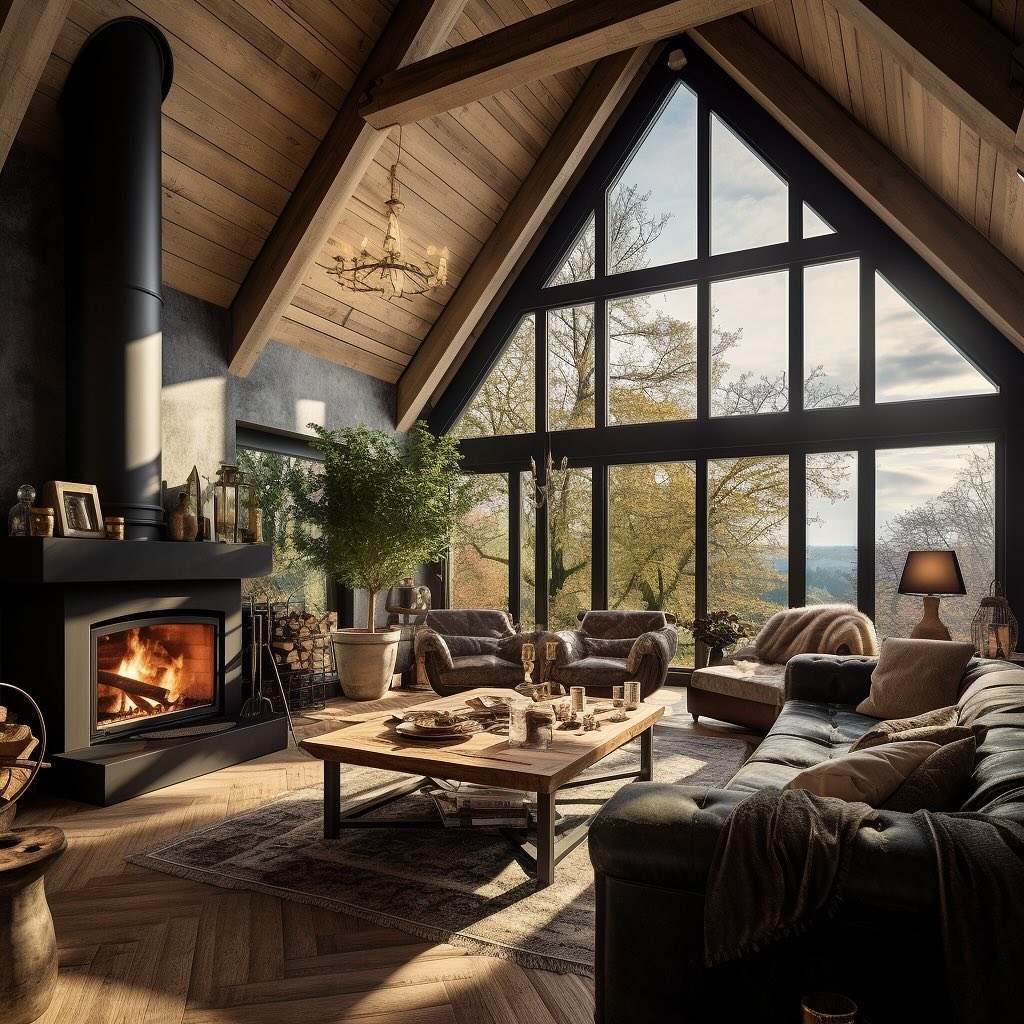
Farmhouse style mainly starts before you even step inside.
Traditional farmhouses often featured wraparound verandas or porches like spaces designed keeping the utmost hope for socializing and slowing down to optimize life to the fullest. While, on the other hand, urban constraints may not always allow full wraparound structures but even a small sit-out area, balcony or terrace can undeniably echo this aesthetic to some extent.
To achieve a farmhouse exterior look:
- Install wooden railings or metal balustrades with classic detailing
- Add rocking chairs or simple wooden benches
- Incorporate potted plants and climbing vines
- Use warm outdoor lighting (lantern-style fixtures work beautifully)
The key is cohesion because the exterior should hint at the comfort within.
Large, Open Kitchens and Dining Areas
In farmhouse homes, the kitchen is not hidden but it’s central.
Historically, kitchens were the heart of farmhouse living. They were large, functional spaces where meals were prepared, stories were shared and work was done.
A modern farmhouse kitchen typically features:
- Open shelving instead of upper cabinets
- Large wooden dining tables
- Farm-style sinks
- Butcher block or stone countertops
- Exposed brick or shiplap walls
- Industrial-style pendant lighting
Open layouts connecting the kitchen and dining area enhance community and flow.
Uncommon Insight: Avoid overly polished finishes. Slightly matte surfaces such as brushed brass handles, honed stone countertops and natural wood grains most likely create a more authentic farmhouse feel than glossy finishes.
Open Shelving and Displayed Utility
The use of open shelves is both completely practical and seemingly aesthetic in farmhouse design. They reflect accessibility and everyday living. Displaying ceramic dishes, glass jars of pantry staples or vintage kitchenware add personality.
However, balance is critical. Cooperating too many items in a place ultimately creates visual chaos.
Professional Tip: Follow the “two-thirds rule”, sink in mind to keep shelves about 60–70% filled to maintain visual breathing or white space space.
Comfort as a Design Language
It is to keep in mind that comfort mainly differentiates modern farmhouses around the world from stark minimalism.
Key elements include:
- Oversized sofas
- Deep-seated armchairs
- Layered throws and cushions
- Upholstery in linen, cotton, or textured blends
- Subtle patterned fabrics like stripes, checks, or small florals
Textures are essential. Think chenille blankets, woven baskets, knitted cushions and rattan accents.
Advanced Layering Technique: Combine at least three textures per room (e.g., wood + linen + jute) to create warmth without adding clutter.
Lighting: Blending Rustic and Contemporary
Lighting is where a modern farmhouse truly balances old and new.
You can incorporate:
- Vintage-style chandeliers
- Black metal pendant lights
- Lantern fixtures
- Soft warm LED bulbs
A striking lighting piece can become the focal point in an otherwise neutral space.
Always think about avoiding cool white lighting around the space because it disrupts the cozy farmhouse atmosphere entirely.
Practicality Above All
Modern farmhouse interiors are highly functional.
It is true that some furniture often doubles as storage spaces in homes, like below:
- Storage benches
- Coffee tables with hidden compartments
- Built-in cabinetry
- Open kitchen islands with shelving
Rooms should be arranged for movement and flow. Barn doors are popular not just for aesthetics, but because they save space.
Uncommon but Important Insight: Be choosy about durable finishes that age fine and well. Farmhouse interiors should always look better over time but minor scratches or cuts on wood unimaginably enhance deeper authenticity rather than merely diminishing its beauty.
Vintage Meets Contemporary
Modern farmhouse design thrives on balance.
Incorporate:
- Antique wooden cabinets
- Vintage mirrors
- Salvaged architectural elements
- Old bathtubs paired with modern fittings
But remember: quality over quantity.
One or two well-chosen vintage pieces can define the room. Overdoing it risks creating a cluttered antique store vibe rather than a refined farmhouse aesthetic.
The Indoor–Outdoor Connection
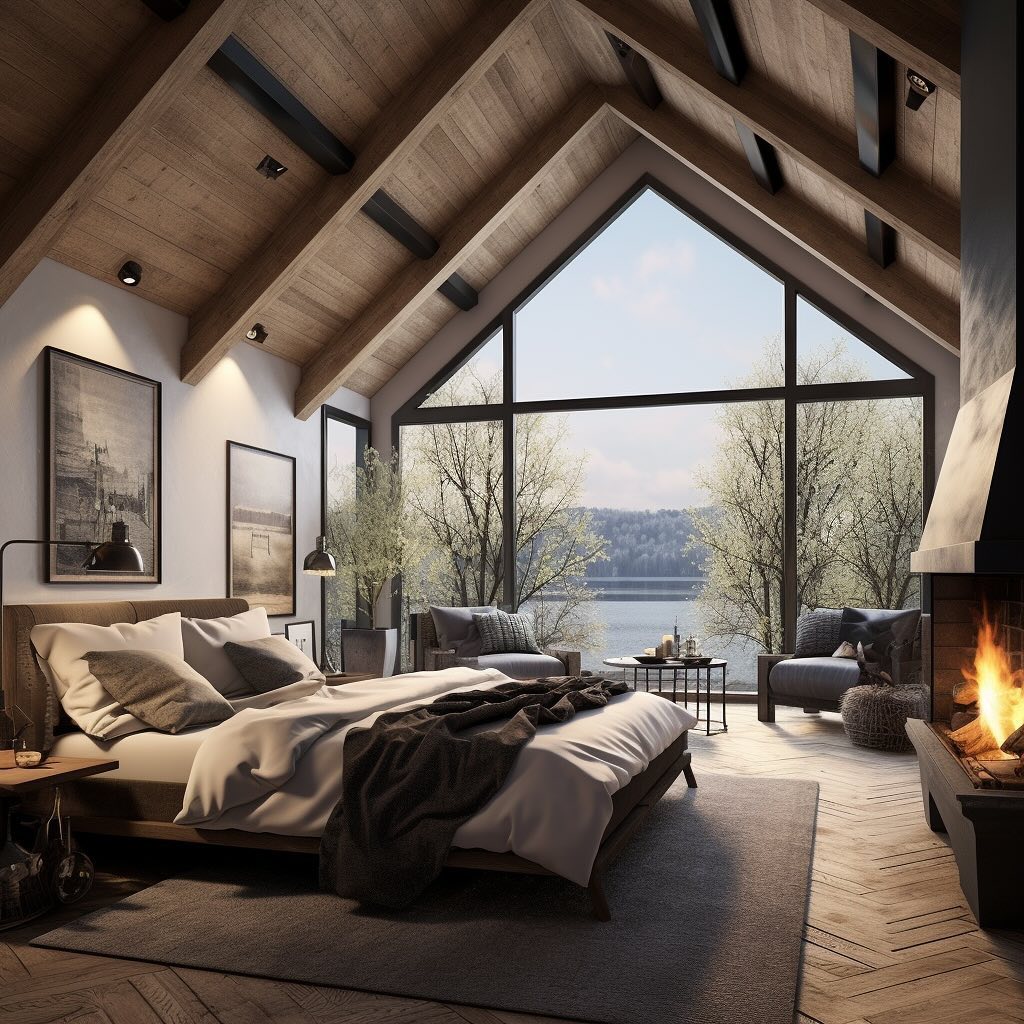
Large windows are central to modern farmhouse interiors. They allow light to flood in and connect the space to nature. The use of sheer curtains in light fabrics mainly enhance this connection while maintaining softness and fineness at all costs.
If you live in the countryside or outskirts, frame landscape views intentionally through furniture placement. Even most of the indoor plants can replicate the feel and the natural harmony farmhouse design strictly celebrates.
Sustainability: The Modern Evolution
A defining characteristic of modern farmhouse design today is sustainability. The courage to incorporate reclaimed wood, second-hand furniture and natural fibers effectively reduces environmental impact throughout the years while enhancing deeper authenticity.
Shopping locally for handcrafted decor pieces also supports artisans and keeps the design grounded in culture and geography.
Common Mistakes to Avoid
1. Overusing black-and-white contrast.
2. Adding too many decorative items.
3. Choosing overly glossy finishes.
4. Ignoring lighting warmth.
5. The thought in you that urges you to copy temporary and ever-changing trends without adapting to the regional climate and location thoroughly will cost you dearly later.
In different countries around the globe, for instance, ventilation and humidity considerations are essential and crucial. Think about choosing treated wood and breathable fabrics suited to various weather and other conditions.
Why Modern Farmhouse Design Endures
In the current world modern farmhouse interior design continues to resonate in every way because it prioritizes human experience finely well over aesthetics alone.
It creates spaces that:
- Encourage gathering
- Celebrate simplicity
- Blend nostalgia with modern convenience
- Feel authentic rather than manufactured
Unlike fleeting trends, modern farmhouse interiors age gracefully. In time, they usually evolve with the people who genuinely live in them thick and thin.
Conclusive Thoughts
Modern farmhouse interior design definitely combines hard but rustic practicality with ever evolving timeless sophistication, crafting intimate spaces that feel deeply personal, grounded to the core and forever enduring. In your mind, whether you’re designing or planning a countryside farmhouse, a suburban villa or incorporating farmhouse elements into a busy city apartment, the key always lies in finding the balance between old and new, function and comfort, restraint and material character.
When executed thoughtfully, modern farmhouse interiors don’t just look beautiful, they feel like home.