

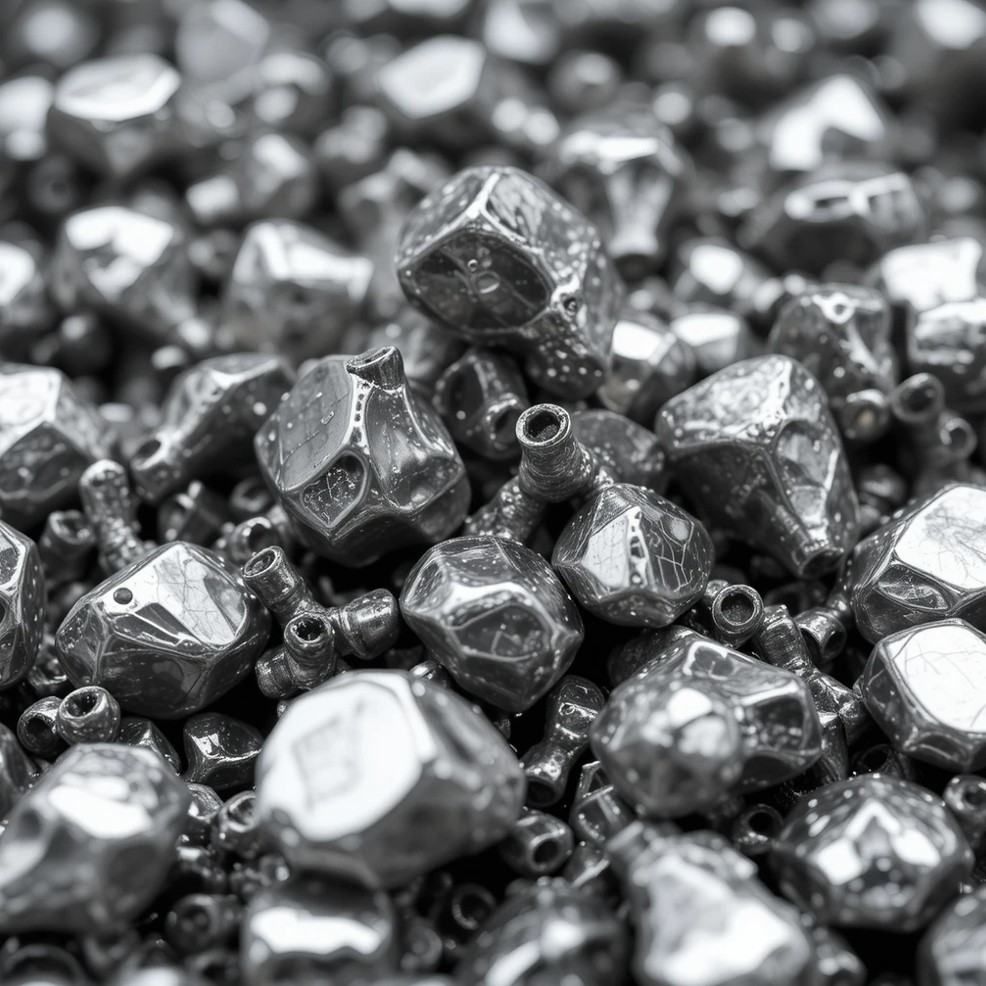

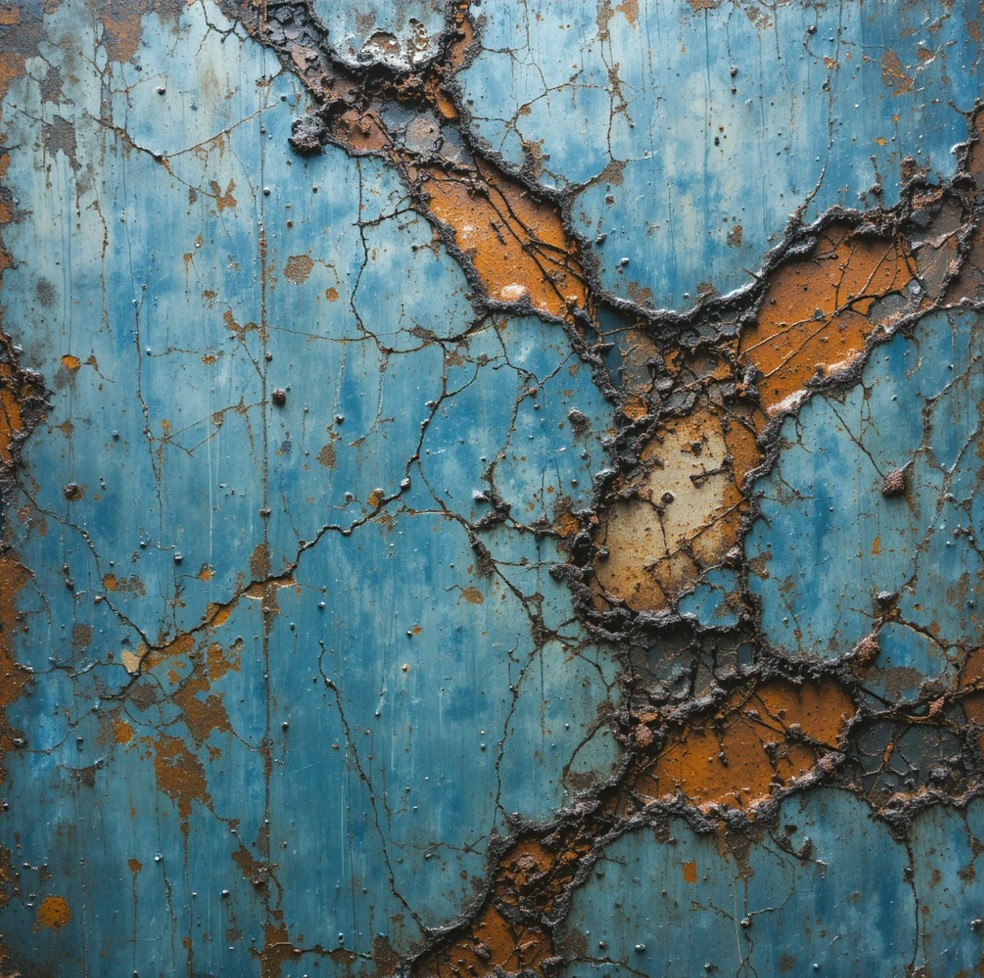
Corrosion is the biggest enemy of a home, especially if you are living in coastal areas like Los Angeles, Santa Barbara, Miami or anywhere else, you will definitely need some knowledge regarding how to protect home before corrosion dives deeper into the cores of the house. And after reading this article you surely have some ideas about how you can fight corrosion before it destroys your dream. Enjoy reading everyone.
1. Using Corrosion-Resistant Materials
A. Metals:
- Stainless Steel: It is well-known for having a high chromium content, which stops corrosion by forming a protective oxide coating. For different purposes, several grades, such as 304 and 316 are preferred.
- Aluminum: When exposed to air, aluminum creates a protective oxide coating that prevents corrosion. It is widely used in the aviation sector, watercraft, and culinary industries.
- Titanium: Extremely impervious to corrosion in a variety of conditions, including seawater.
- Duplex Stainless Steel: It offers excellent corrosion resistance by combining the qualities of austenitic and ferritic stainless steels.
B. Non-Metals:
- Ceramics: Some ceramics, such as silicon compounds, have a high level of corrosion and oxidation resistance.
- Fiberglass: A composite material that resists chemicals well, particularly in alkaline and corrosive situations.
- Plastics: PVC and other materials with a reputation for being resistant to corrosion are frequently utilized in plumbing systems.
2. Protective Coatings
A. Paint:
a. How it Works:
- Barrier Protection: By functioning as a physical barrier, corrosion-resistant coatings keep oxygen, moisture and other corrosive substances from coming into contact with the metal surface.
- Sacrificial Protection: To shield the underlying metal from corrosion, several paints incorporate pigments that corrode preferentially.
- Inhibitive Properties: Ions released by specific pigments or additives can prevent corrosion.
b. Application:
- Construction: protecting steel structures, bridges, and other assets.
- Automotive: Guarding automobile frames, bodywork and other parts.
- Marine: Guarding vessels, offshore installations and other marine machinery.
- Industrial: Protecting equipment, pipelines and other apparatus across a range of industries.
- Household: Securing fences, metal furniture, and other domestic objects.
B. Grease and Oil:
a. Corrosion Prevention:
- Protective Barrier: By creating a barrier on metal surfaces, corrosion-resistant lubricants stop moisture and other corrosive substances from getting to the metal and producing rust or corrosion.
- Reduced Corrosion Damage: These lubricants greatly lower the chance of corrosion-related equipment failure and damage by preventing rust formation, extending component lifespan.
b. Wear Protection:
- Reduced Friction: Lubricants lessen the wear and tear on machinery by minimizing friction between moving parts.
- Enhanced Mechanical Stability: Grease and oils that resist corrosion frequently have outstanding mechanical stability, which means that even under pressure, they keep their lubricating qualities and consistency, thereby minimizing wear.
c. Contamination Protection:
- Sealing Properties: Grease in particular, has the ability to function as a sealer, keeping impurities like dust, water and grime out of machinery and inflicting harm.
- Water Displacement: To further stop rust and corrosion, some corrosion-resistant oils are made to remove water from metal surfaces.
C. Galvanization:
a. How it Works:
- Barrier Security: By serving as a physical barrier, the zinc layer keeps corrosive substances like oxygen, water and others away from the steel.
- Sacrificial Anode: Zinc will corrode preferentially If the steel is exposed due to damage to the zinc coating. This prevents the steel from rusting because zinc is more reactive than iron and will oxidize (corrode) before the steel does.
b. Common Methods:
- Hot-Dip Galvanizing: Steel is submerged in a bath of melted zinc in the most widely used method, known as hot-dip galvanizing.
- Electro-Galvanizing: Applying a zinc coating by electrolysis is known as electro-galvanizing.
D. Powder Coating:
a. What is Powder Coating?
- A dry powder, usually a polymer resin and pigment, is electrostatically charged and sprayed onto a grounded metal surface as part of the powder coating finishing process. After the charged powder sticks to the item, it melts, flows and fuses into a smooth, durable coating when the coated part is baked in an oven.
b. Prevention from Corrosion:
- Barrier building: The powder coating physically prevents corrosive elements like oxygen, moisture and chemicals from getting to the metal substrate by forming a continuous solid layer.
- Chemical Resistance: To further stop chemicals from damaging the metal, powder coatings are made to be resistant to a variety of chemicals.
- Abrasion and Scratch Resistance: The hard, long-lasting finish produced by the cured powder coating guards against abrasion and scratches, shielding the underlying metal from harm that can cause corrosion.
c. Key Steps:
- Surface Preparation: To encourage adhesion and stop under-film corrosion, the metal surface is carefully cleaned, degreased and maybe chemically treated.
- Application: The fine powder coating is applied using an electrically charged spray cannon, which charges the grains of powder and ensures coverage that is even.
- Curing: The powder melts, flows and fuses into a continuous film when the coated portion is heated in an oven.
3. Cathodic Protection
A. How it Works:
- Corrosion Basics: Corrosion happens when metals interact with their surroundings, usually at the anode through oxidation or electron loss. This completes the corrosion circuit by generating an electron flow from the anode to the cathode.
- Cathodic Protection Principle: The principle of cathodic protection states that all of the structure’s components function at the cathode, preventing corrosion, by giving it an electron source.
B. Main Methods:
- Sacrificial Anode: A more reactive metal, such as magnesium or zinc, is used as the sacrificial anode in this technique because it corrodes preferentially and shields the structure.
- Impressed Current: This technique makes the structure the cathode by forcing a current onto it from an external power source. Larger constructions like pipelines or offshore platforms are frequently constructed using this technique.
C. Common Applications:
- Pipelines, storage tanks, ships, offshore platforms and reinforced concrete structures are all frequently protected with cathodic protection in a variety of sectors.
4. Corrosion Inhibitors
A. What they are:
- Chemical substances known as corrosion inhibitors are introduced to corrosive environments in trace amounts.
- They are used to protect objects, especially metals, against the damaging effects of rusting.
- They fall into one of two categories: Organic or inorganic.
B. How they Work:
- Forming a Protective Barrier: A lot of inhibitors function by adhering to the metal’s surface and forming a physical barrier that keeps the metal safe from corrosive substances.
- Modifying the Surface: Certain inhibitors alter the metal’s surface characteristics, increasing its resistance to corrosion.
- Interfering with Electrochemical Reactions: They may also slow down corrosion by interfering with the cathodic or anodic reactions that are involved.
C. Types:
- Film-Forming Inhibitors: These coat the metal surface in a protective layer.
- Anodic Inhibitors: These obstruct corrosion’s anodic (oxidation) process.
- Cathodic Inhibitors: These obstruct corrosion’s cathodic (reduction) process.
- Volatile Corrosion Inhibitors (VCIs): These evaporate and deposit on the metal surface, providing protection in enclosed environments.
5. Alloying
A. How it Helps:
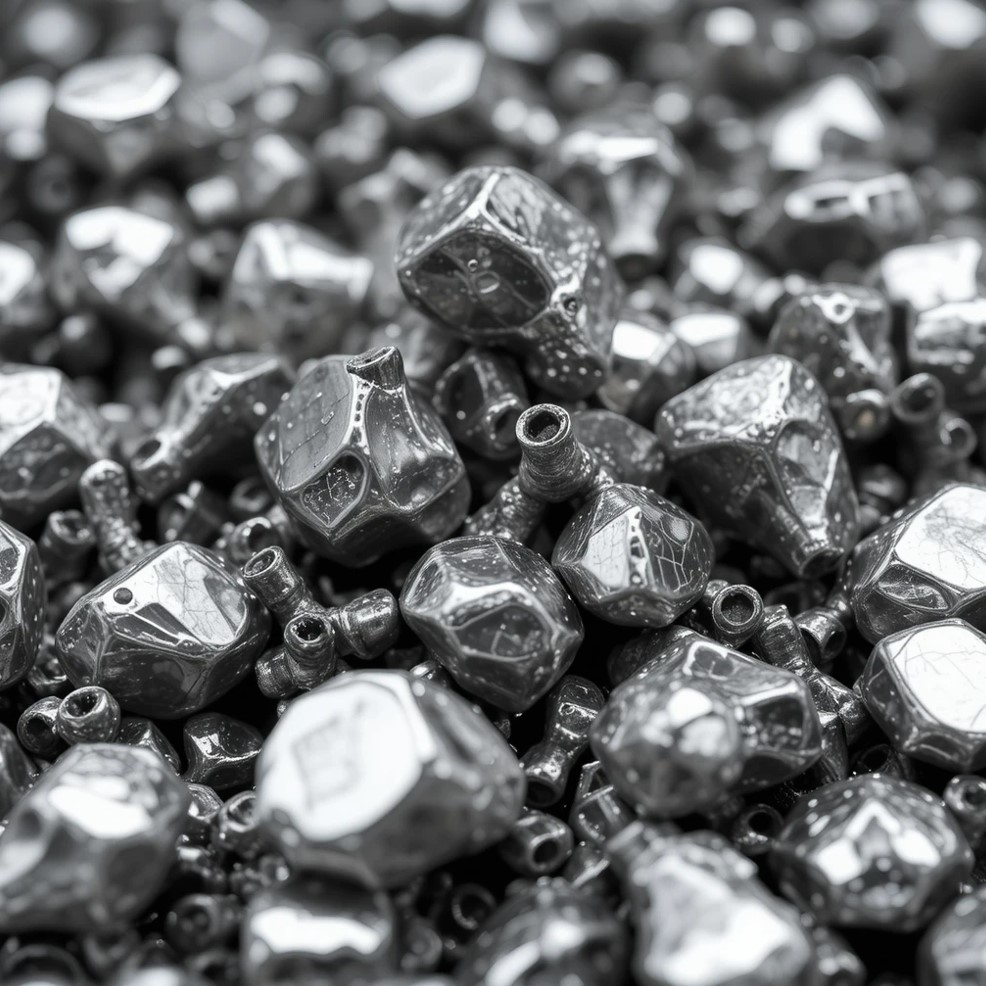
- Combining two or elements (at least one metal) produces a new material with improved qualities is known as alloying.
- The alloying elements used in corrosion-resistant alloys (CRAs) are selected to either increase the metal’s resistance to corrosive environments or to create a protective layer on the metal’s surface.
- For example, chromium, a typical alloying element in stainless steel, creates a passive layer of chromium oxide to protect the steel from further rusting.
- In corrosion-resistant alloys, other elements such as aluminum, nickel and molybdenum are also commonly utilized.
B. Application:
- Chemical Processing: To manage corrosive substances and avoid equipment malfunction.
- Oil and Gas Industry: For operations where corrosion is a significant problem, such as drilling, pipeline and refining.
- Aerospace: Guaranteeing aerospace reliability as well as security in highly stressful and extremely hot conditions.
- Marine: For offshore buildings and shipyards that are subject to seawater.
- Construction: For materials used in construction that must endure severe weather.
6. Regular Maintenance
A. Routine Cleaning:
- To stop corrosive materials and collect moisture from hastening corrosion, regularly clean surfaces.
B. Protective Coatings:
- Applying the right coatings (paint, plating, etc.) that acts as an enclosure between the components and the outside environment can significantly reduce corrosion. For optimum protection, the surface must be properly prepared and coated.
C. Inspection and Monitoring:
- Periodic physical examinations help identify rust earlier on. Ultrasonic testing is one example of a non-destructive testing (NDT) technique that can be used to determine the degree of corrosion without causing material damage. Utilizing methods such as electrical resistance probes or coupon testing to track corrosion rates yields useful information for maintenance scheduling.
D. Repair and Replacement:
- To stop more degradation and possible failures, repair or replace corroded components as soon as possible. Make sure that repairs are carried out in accordance with the correct protocols and that new parts are compatible with the current system.
7. Design Considerations
A. Design Geometry:
- Crevices and Dead Legs: Steer clear of design elements including abrupt bends, fissures and stagnant spots that might trap corrosive substances.
- Stress Concentration: Reduce the amount of stress that is present because it can worsen corrosion. Avoid abrupt changes in geometry and sharp angles.
- Drainage and Ventilation: Make sure there’s adequate ventilation to reduce moisture buildup and adequate drainage to avoid water accumulation.
- Surface Finish: Take into account how fabrication procedures affect surface finish because smoother surfaces are typically more corrosion-resistant.
B. Fabrication and Coatings:
- Protective Coatings: To protect the base material from corrosive substances, apply coatings such as paints, epoxies or other protective layers.
- Dissimilar Materials: To stop galvanic corrosion, keep dissimilar metals away from one another. Use non-conductive coatings or materials to isolate them if you can’t avoid it.
- Weld Design: To reduce fissures, weld whenever feasible rather than use rivets or other joining techniques.
- Pre-Treatment: For adhesion and long-term performance, surfaces must be properly prepared before coatings are applied.