

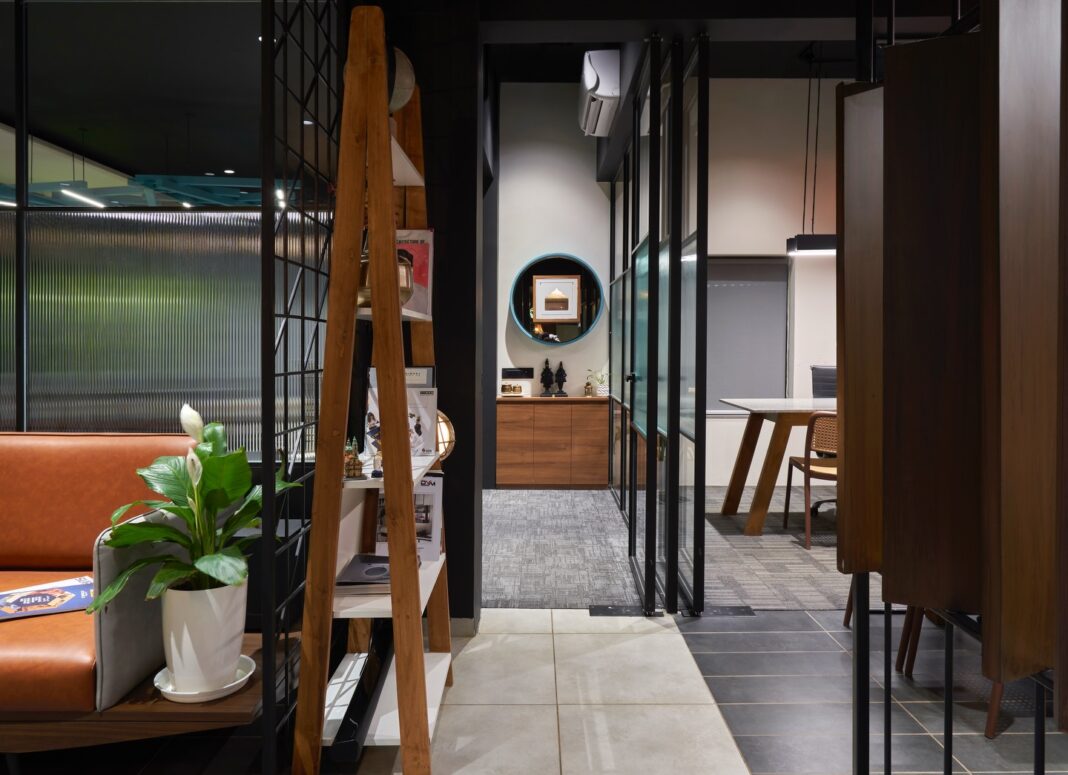

Industrial interior design is a style rooted in honesty because, where materials are celebrated in their raw, unfinished state rather than concealed. Inspired mainly by old factories, warehouses and urban lofts, this aesthetic ultimately transforms once purely functional spaces into warm, livable environments without stripping away their rugged core identity.
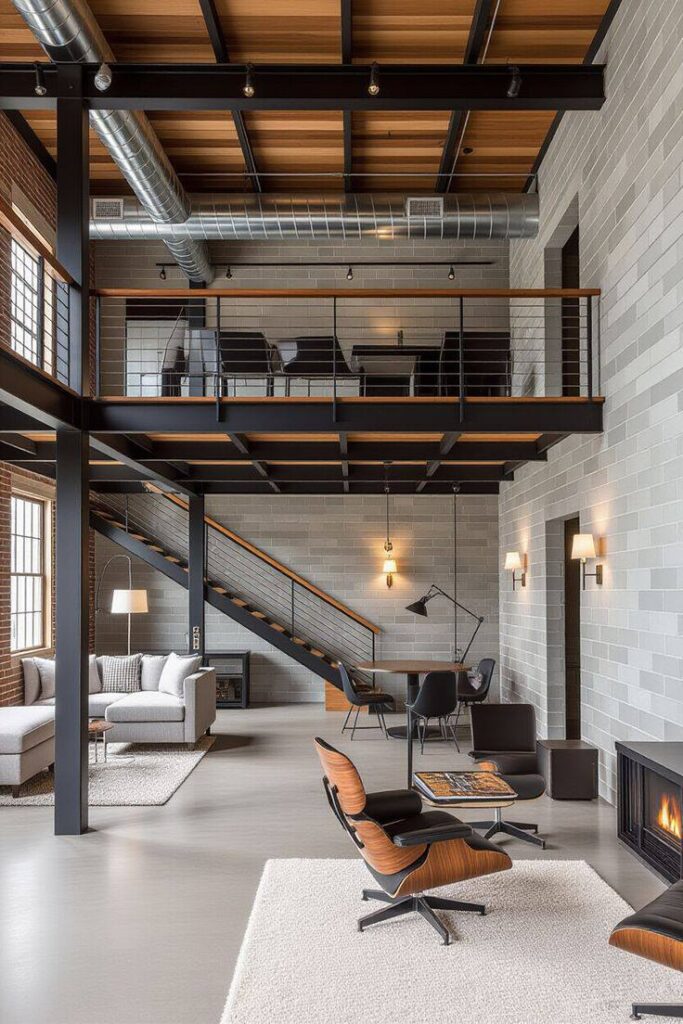
At its core, industrial design usually embraces elements like properly exposed brick walls, visible ductwork, durable steel beams and concrete floors. Instead of completely hiding these medium to heavy structural components, the style effectively highlights them, turning construction into a form of character. The final result is a space you decorated that feels both visually minimal and deeply textured, where every imperfection tells genuine a story.
Unlike what we see in traditional minimalism around the world, which can sometimes feel a bit sterile, industrial interiors balance rawness with a touch of warmth. The combination of metal, reclaimed wood, leather and soft textiles creates a more refined lived-in atmosphere that always feels authentic rather than overly curated.
A Brief History of Industrial Interior Design
The origins of industrial interior design trace back to the Industrial Revolution in the late 18th and 19th centuries. As factories emerged across Europe and the United States, architecture began prioritizing efficiency and durability over ornamentation. Buildings were constructed with strong, practical materials like steel and concrete, featuring large windows to maximize natural light and open layouts to accommodate machinery.
By the mid-20th century, many of these industrial buildings, particularly in cities like New York, were abandoned as manufacturing declined. Artists and creatives began their work of repurposing these empty and unused factories into proper living spaces, drawn to their expansive layouts and people-friendly affordable rents and these conversions and efforts marked the birth of the industrial loft.
What began as a particular necessity soon evolved into a huge design movement. By the time of the early 2000s, industrial aesthetics became highly desirable among people, influencing not just urban fast paced apartments but also suburban homes, offices, restaurants and retail spaces.
Today, in the modern times, industrial interior design continues to evolve, blending seamlessly with styles like modern minimalism, Scandinavian simplicity and even rustic farmhouse design; we have covered all that in previous articles.
Key Characteristics of Industrial Interior Design
1. Raw and Honest Materials
Industrial interiors revolve around materials in their most natural authentic state. Brick walls are left unplastered, concrete remains visible and steel elements are slightly more exposed rather than hidden.
Reclaimed wood is often used to soften the space, adding warmth and contrast to the otherwise cool tones of metal and concrete. The beauty lies in imperfection like, scratches, patina and wear are not flaws but features.
2. Open Layouts and Airy Spaces
Inspired by factory floors, industrial spaces typically feature open-plan layouts with minimal partitions. High ceilings and expansive windows enhance the sense of scale, allowing natural light to flood the interior.
Instead of building tall walls, subtle zoning techniques that are commonly used like rugs, furniture placement or glass partitions are used to finely define different areas within the given space.
3. Neutral and Muted Color Palette
Industrial interiors always rely heavily on neutral tones that are pleasing to the eyes such as grey, black, white and earthy browns because these shades create a cohesive backdrop that allows textures and materials to take center stage.
However, this doesn’t actually mean the desired space must feel monotonous. By strategically using the hues like deep greens, rust tones or matte blues can efficiently add depth without completely disrupting the industrial vibe.
4. Functional and Minimal Furniture
The main role of furniture in industrial design is usually guided by its functionality and pieces are often simple, sturdy and made from original materials like metal, wood and leather.
Think of a solid wood dining table with steel legs, a distressed leather sofa or open metal shelving units. Many pieces are inspired by vintage factory equipment or workshop furniture.
5. Exposed Structural Elements
One of the defining features of industrial design is the visibility of structural components. Pipes, ducts, beams and wiring are intentionally left exposed.
6. Statement Lighting
In every possible way, lighting plays a crucial role in industrial interiors because fixtures often feature slightly exposed bulbs, metal shades or utilitarian designs reminiscent of old factories.
Edison bulbs are especially much more popular for their warm glow and vintage appeal but clustered pendant lights or oversized floor lamps can effectively act as focal points while maintaining the desired industrial aesthetic.
7. Balance Through Textiles
While at times, industrial design usually leans toward hard materials, the placement of textiles is essential for creating comfort such as leather, linen, wool and cotton are commonly used in upholstery, rugs and curtains.
These softer and gentler elements prevent the space from feeling cold, which then purposefully add warmth and a sense of livability.
Lesser-Known Insights That Elevate Industrial Design
Imperfection as a Design Strategy
Industrial design thrives on imperfection. Unlike polished interiors, slight irregularities like uneven brick textures or oxidized metal add authenticity. Intentionally incorporating aged or weathered finishes can make a space feel more genuine.
Acoustic Considerations
Open layouts and hard surfaces can create echo and noise issues. Adding rugs, fabric panels or upholstered furniture helps absorb sound without compromising the aesthetic.
Layering Old and New
A common mistake we see around the world is making industrial interiors feel too vintage. The most successful spaces blend old elements (like reclaimed wood) with very modern features (such as sleek lighting or contemporary art) and together they feel more authentic.
Climate Adaptation
In warmer regions, like parts of India, industrial interiors benefit mostly from lighter color palettes, breathable fine fabrics and increased efficiency of ventilation systems to avoid a heavy or heat-retaining feel.
Biophilic Contrast
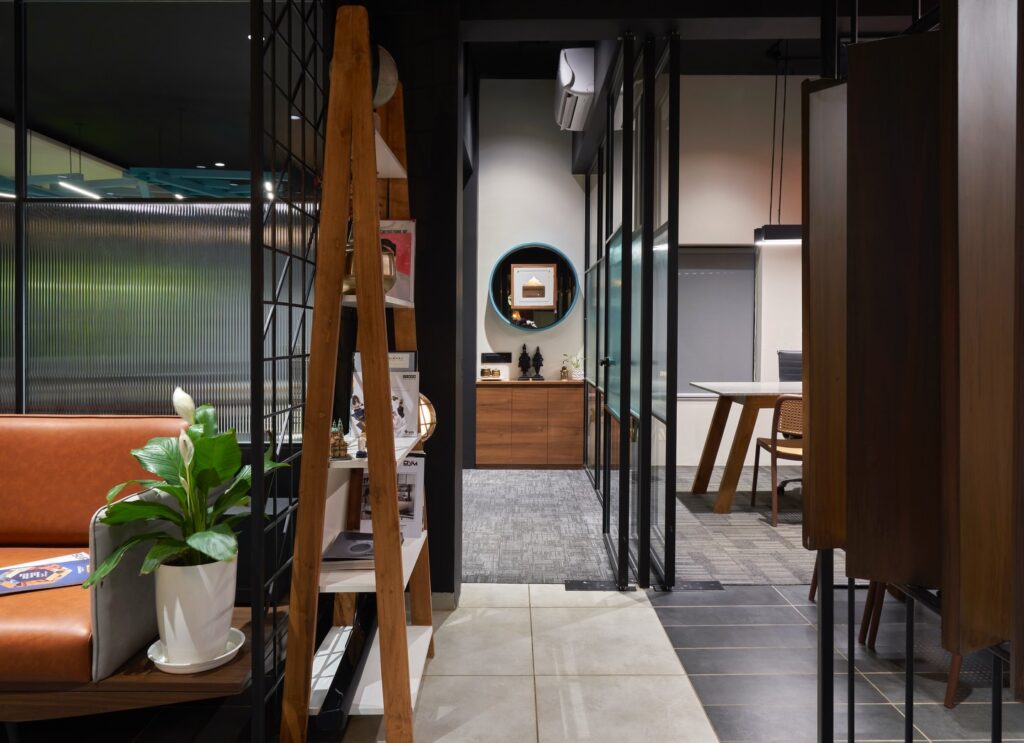
Introducing plants is an underrated way to soften industrial spaces all over again because greenery contrasts beautifully with metal and concrete, adding life and visual balance.
Practical Tips to Achieve the Industrial Look
- Use one standout feature, such as a brick accent wall or concrete finish, as a focal point.
- Opt for furniture with much clean lines and more visible construction details.
- Always keep in mind to incorporate the vintage or repurposed items for visual authenticity.
- Just avoid over-decorating, let materials and structure take center stage.
- Mix textures thoughtfully and accordingly to create maximum depth without causing any clutter.
Why Industrial Interior Design Remains Timeless
Industrial interior design always endures because it is grounded in authenticity and it doesn’t chase temporary trends; it just often reveals what already exists. The appeal lies mainly in its thoughtful ability to transform even the slightest of raw, utilitarian spaces into environments that feel both beautifully grounded and unimaginably sophisticated.
It is a style that respects history while embracing modern living. And perhaps most importantly, it allows individuality. No two industrial spaces look the same, each one reflects the materials, stories and choices within it.
In a new world increasingly filled with polished and shining perfection, industrial design offers something rare to the core: truth in its most beautiful, unrefined and genuine form.