

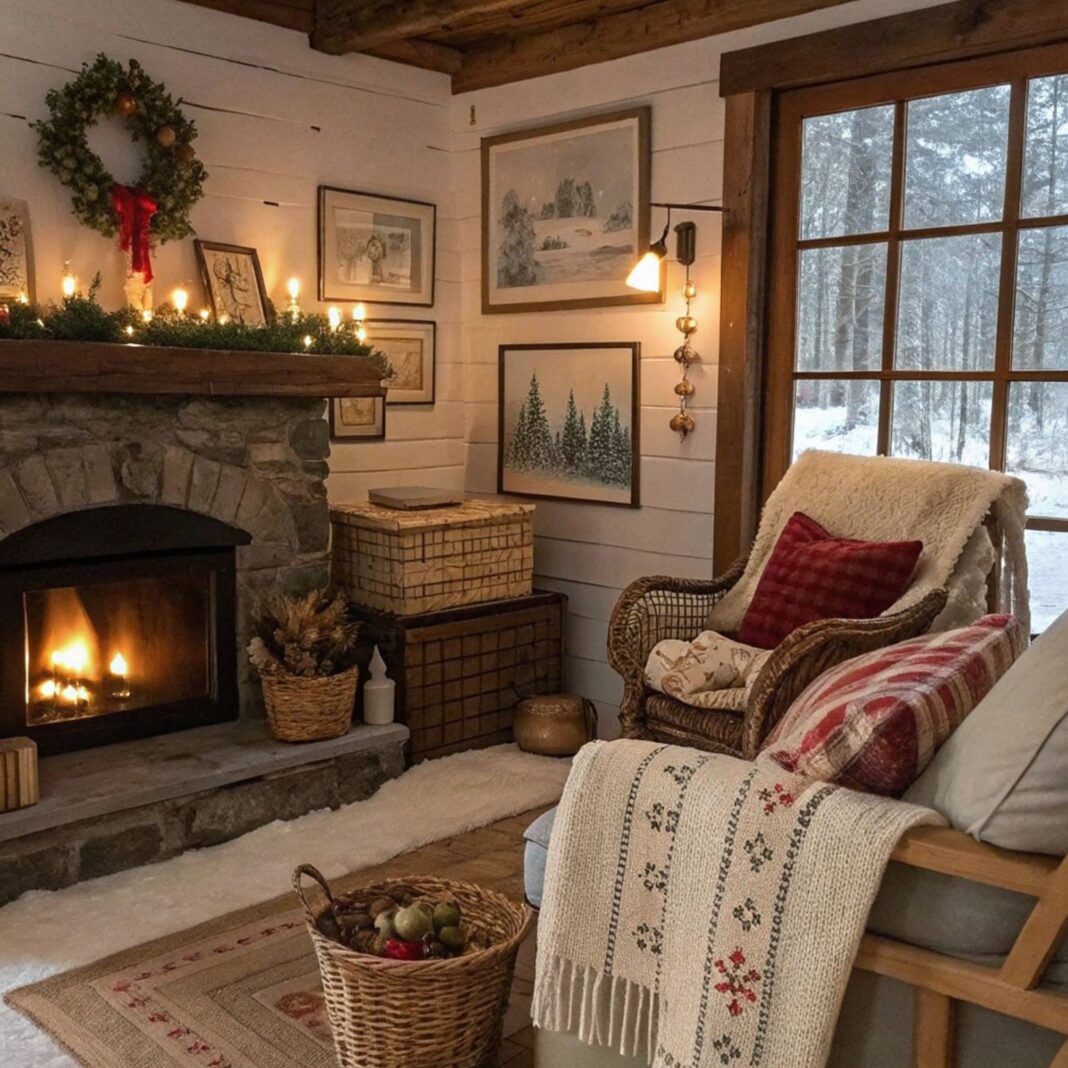

Rustic interior designs we see around the world are more than just a visual style; they can somehow finely tickle an earthy feeling from deep within and it successfully brings the calm of mother nature indoors, wrapping your space in heartfelt warmth, specific texture and utmost authenticity. Rooted in thoughtful simplicity and shaped particularly by natural materials, rustic design lets you celebrate imperfection, age and craftsmanship in a way few other styles hardly do.
Whether you’re mindfully drawn to the charm of a countryside farmhouse, the ruggedness of a mountain cabin or a more modern interpretation of earthy living, rustic design always offers a flexible, soothing and deeply comforting approach to home interiors.
What Is Rustic Interior Design?
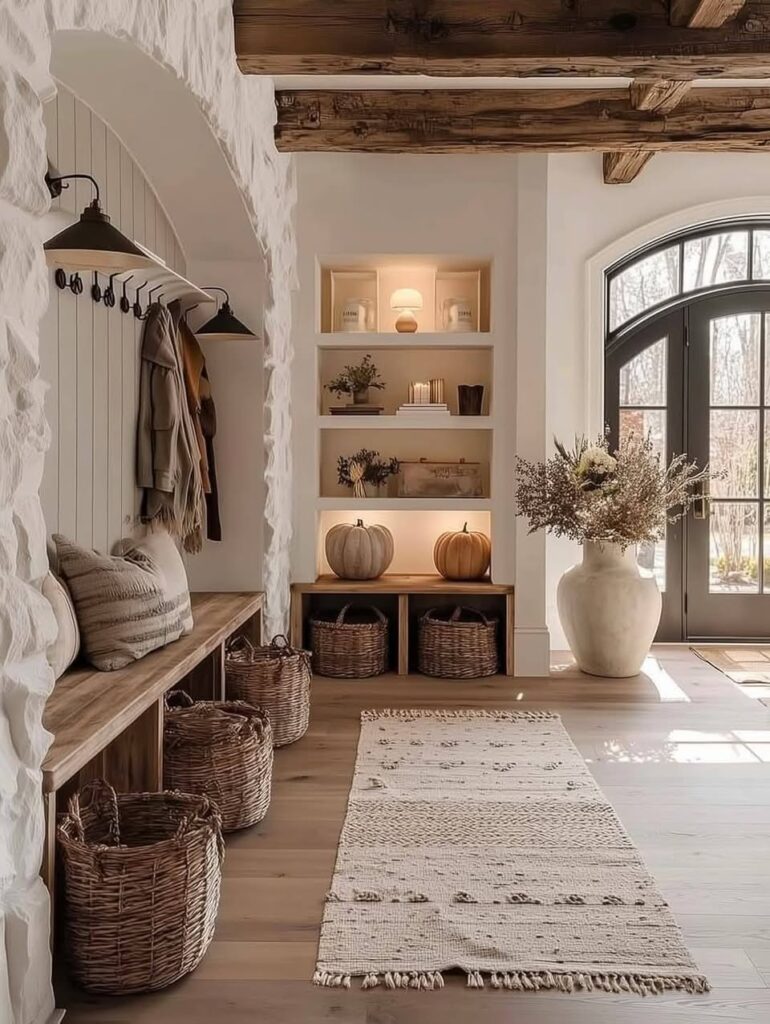
From a popular opinion, at its core, rustic interior design is all about embracing the raw and unfiltered beauty of natural elements, for instance, weathered wood, aged metals, stone surfaces and organic fabrics, all placed and working together to create a more lived-in, welcoming kinda environment.
Unlike sleek contemporary interiors, rustic spaces don’t strive for perfection. Knots in wood, uneven textures and timeworn finishes are not flaws because they’re the very soul of the design.
Historically, rustic interiors trace back to early rural homes, where people built with whatever materials were available locally. Functionality came first but over time, these homes developed a quiet aesthetic charm, one that modern design continues to reinterpret today.
Defining Characteristics of Rustic Interiors
1. Earthy, Neutral Color Palette
Rustic interiors usually rely heavily on colors found in nature such as warm browns, soft beiges, muted greens, stone grays and off-whites and, these tones create a permanently calm, grounded atmosphere and allow materials to take center stage more.
Deep Insight: Instead of flat neutrals, layer tonal variations (like sand, taupe and clay) to avoid the impacts of a completely dull or lifeless living space.
2. Natural and Raw Materials
Wood and stone dominate rustic interiors. From the presence of highly exposed ceiling beams to durable solid wood furniture and fireplaces made of stones, materials involved are often left unfinished or minimally treated.
Deep Insight: Mixing wood species (like oak, teak and reclaimed pine) ultimately adds depth and prevents the space mainly from feeling overly uniform.
3. Reclaimed and Aged Elements
Rustic design thrives on history. Reclaimed wood, vintage furniture and repurposed décor pieces undeniably add character and storytelling to that particular space.
Deep Insight: Even new furniture can feel rustic with distressed finishes or hand-scraped textures.
4. Rich Textures Over Ornamentation
Instead of decorative excess, rustic interiors focus on tactile richness, think woven rugs, linen upholstery, burlap accents and chunky knits.
Deep Insight: Consider combining “rough” (like jute or raw wood) with “soft” (like wool or cotton) to effectively create the feeling of visual balance in your lovely space.
5. Handcrafted and Imperfect Details
Handmade items like pottery, woven baskets, forged metal pieces, all that bring authenticity and the slightest imperfections in these creative objects add highest warmth and individuality.
Popular Types of Rustic Design
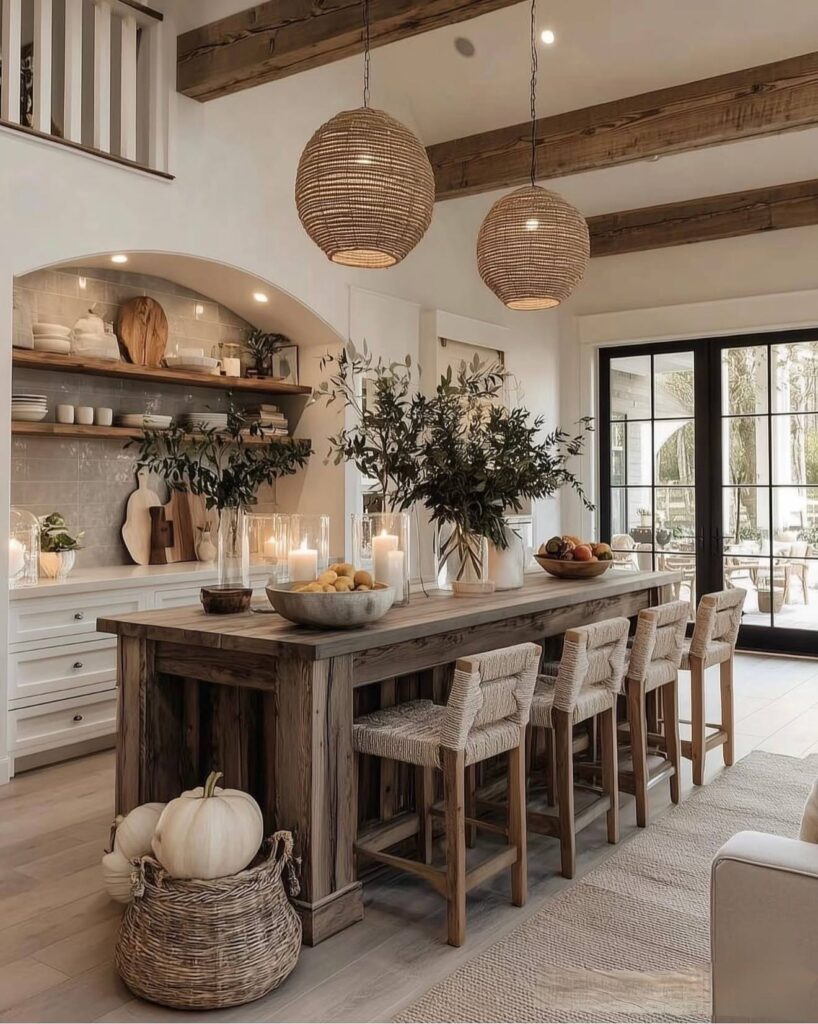
Rustic design isn’t just one-size-fits-all but it particularly adapts much beautifully across different styles, like these below:
1. Modern Rustic
A refined take that blends clean lines with rustic textures and for these you should expect wood paired with glass, steel or concrete for a more balanced, contemporary feel.
2. Farmhouse Rustic
Comfort-driven and slightly more polished. Think shiplap walls, apron sinks and a mix of vintage and practical elements.
3. Cottage Rustic
Light, airy and charming. This style softens rustic elements with brighter colors and delicate fabrics.
4. Industrial Rustic
It combines rugged wood with fine placements of exposed brick, proper metal fixtures and utilitarian design, perfect for urban fast paced spaces.
5. Scandinavian Rustic
Minimalist yet warm; which includes light wood tones, white walls and cozy textures define this understated approach well.
6. Western Rustic
Inspired by well-known ranch-style living, incorporating leather, animal motifs and bold, statement driven earthy accents.
How to Decorate Your Home in Rustic Style
1. Incorporate Reclaimed Wood
Use reclaimed wood for things like flooring, furniture or accent walls mostly because it instantly adds depth and visual authenticity to a whole new level.
Deep Insight: If full wooden flooring isn’t feasible, try wooden ceiling beams or a statement dining table.
2. Layer Contrasting Textures
Balance heavy materials like stone and wood with softer textiles such as wool throws or linen curtains.
Deep Insight: Texture layering is what makes rustic interiors feel rich rather than heavy.
3. Choose Simple, Functional Furniture
Rustic furniture efficiently prioritizes its function over its form and always keep in mind to look for sturdy, straightforward designs that highlight the materials rather than shape.
4. Embrace Exposed Structural Elements
Long ceiling beams, genuine brick walls or well visible wooden frames add architectural interest and reinforce classic intimacy of the rustic theme.
5. Focus on Warm, Ambient Lighting
Consider avoiding harsh white lighting, do this instead, opt for visually elevating warm-toned bulbs, lantern-style fixtures or soft lamps in the given space.
Deep Insight: Lighting should or must mimic firelight because they are gentle & soft, golden and inviting for every viewer present there.
6. Add Nature-Inspired Decor
Incorporate greenery, branches, dried flowers or stone accents. These elements strengthen the connection between indoors and outdoors.
Rustic Color Palette Guide
A successful rustic palette draws directly from nature:
- Base colors: Beige, cream, taupe, warm gray
- Earth tones: Brown, terracotta, olive green
- Accents: Muted reds, deep blues, charcoal
- Metals: Iron, copper, antique brass
Deep Insight: Avoid overly saturated colors because rustic design thrives on subtlety and depth.
Furniture and Materials in Rustic Interiors
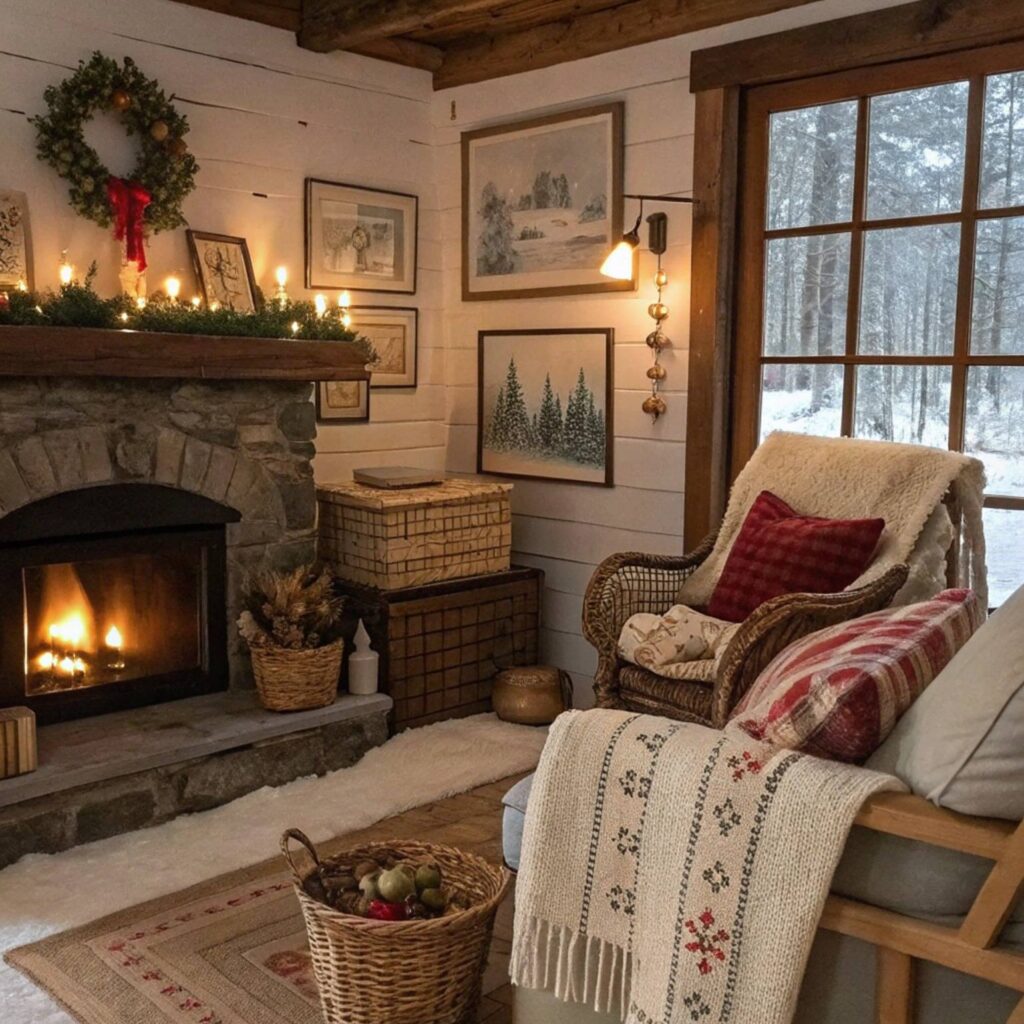
Rustic furniture tends to be:
- Solid and durable
- Made from wood, leather or stone
- Slightly oversized and grounded
- Often handcrafted or vintage
Common materials include:
- Reclaimed wood
- Natural stone
- Linen, wool, cotton
- Wrought iron or aged metals
Deep Insight: Mixing one refined piece (like a sleek sofa) into a rustic room can prevent the space from feeling too heavy or dated.
Can Rustic and Contemporary Styles Work Together?
Absolutely and beautifully, just a thoughtful opinion you think?
Here’s how, rustic interiors pair surprisingly and perfectly well with contemporary design. Some examples are mentioned below:
- Use rustic materials (wood, stone) as the foundation
- Add contemporary elements (clean lines, minimal décor) for balance
This blend creates a space that feels both grounded and modern, often referred to as “modern rustic.”
Rustic vs. Farmhouse: What’s the Difference?
While often confused together, these styles have distinct differences, are stated in the following:
- Rustic: Raw, rugged, and heavily natural and imperfections are celebrated thoughtfully.
- Farmhouse: More refined and structured, but mainly with rustic accents used selectively across the spaces.
Think of rustic as untamed nature, while farmhouse is nature gently organized.
A Brief Evolution of Rustic Style
Rustic design originated from pure necessity because early homes were built using locally sourced materials, with little emphasis on creative decoration. Over the course of time, what began as clearly functional evolved into a design philosophy centered purposefully on human comfort, long term sustainability and visual authenticity.
Today, rustic interiors are not just about aesthetics alone and they of course reflect a growing desire to reconnect with nature and live more intentionally from deep within.
Conclusive Thoughts: Why Rustic Design Still Resonates
Rustic interior design endures because it feels human.
In a world filled with all the polished surfaces and digital but often shallow perfection, rustic spaces offer something rare, a sense of grounding, for your home spirit. They remind us of slower mornings, natural textures and the quiet beauty of imperfection.
When done right, a rustic home doesn’t just look good, it feels like a place you can truly exhale in.